building water supply solenoid valve: efficient water control for modern infrastructure
Release time:2025-12-05 02:48:35
The Building Water Supply Solenoid Valve is an essential component in modern water management systems, ensuring that water flows efficiently and safely through residential, commercial, and industrial buildings. By using an electromagnetic mechanism to control the flow of water, these valves provide automatic, reliable, and cost-effective solutions for regulating water supply in various applications. In this article, we will explore the working principle, features, advantages, and applications of building water supply solenoid valves, highlighting their importance in contemporary water systems.
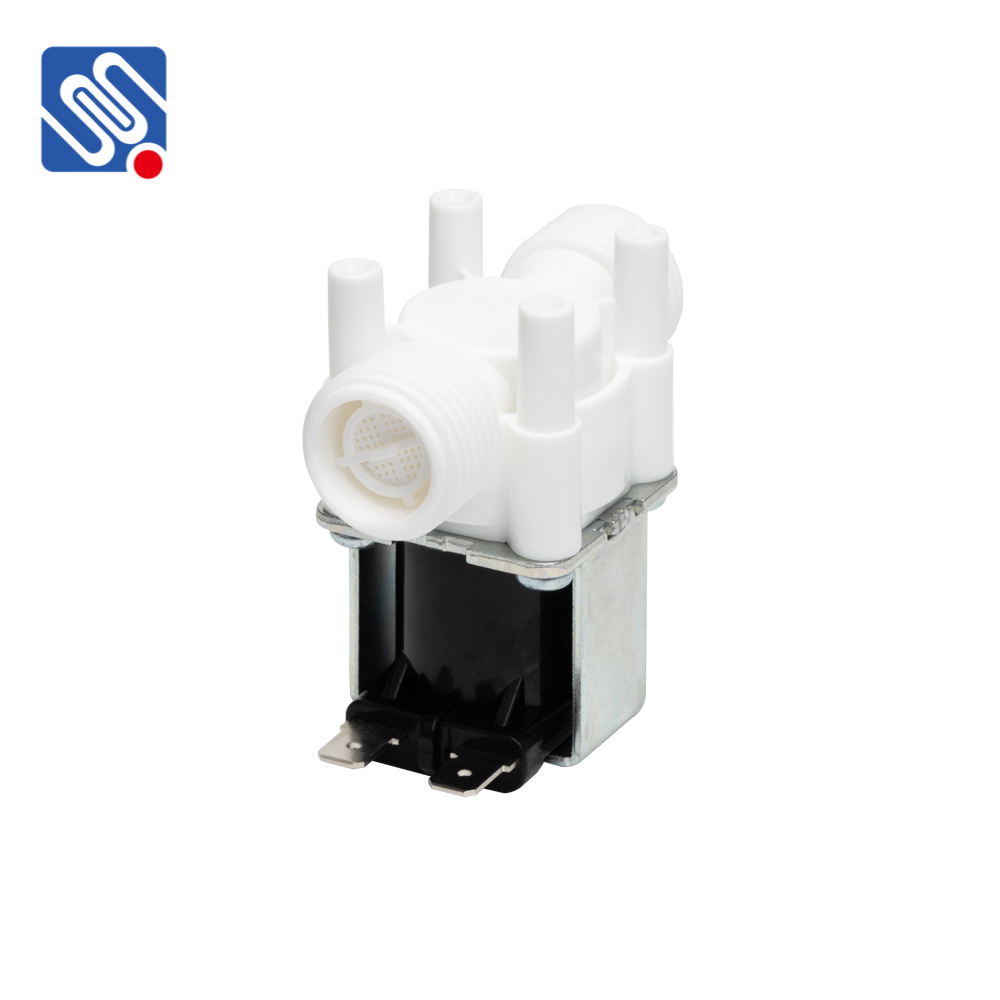
Working Principle At the core of a Building Water Supply Solenoid Valve is an electromagnet. When an electric current flows through the coil of the solenoid, it creates a magnetic field that pulls a plunger, opening or closing the valve. When the current is turned off, the magnetic field disappears, and the valve returns to its closed position either by a spring or by gravity. This mechanism allows for the precise control of water flow in response to electric signals, making it ideal for use in automated or remotely controlled systems. The solenoid valve is designed to be energy-efficient, with low power consumption during operation. In many cases, the valve will remain in its default closed position, only opening when an electrical signal is sent to activate the solenoid, thereby ensuring that water only flows when required.




 Chat Oline