understanding relay circuit: function, applications, and types
Release time:2025-12-05 17:22:50
A relay circuit is a fundamental component in electrical and electronic systems that serves as a switching device to control the operation of a circuit or machine. It allows a low-voltage control signal to activate or deactivate high-voltage components, such as motors, lights, or other heavy electrical devices. Relays are integral to the automation of systems, and their use can be found in everyday items like home appliances, automotive systems, and industrial machinery. This article will explain the basic working principle of a relay, the types of relays, and their applications in various fields.
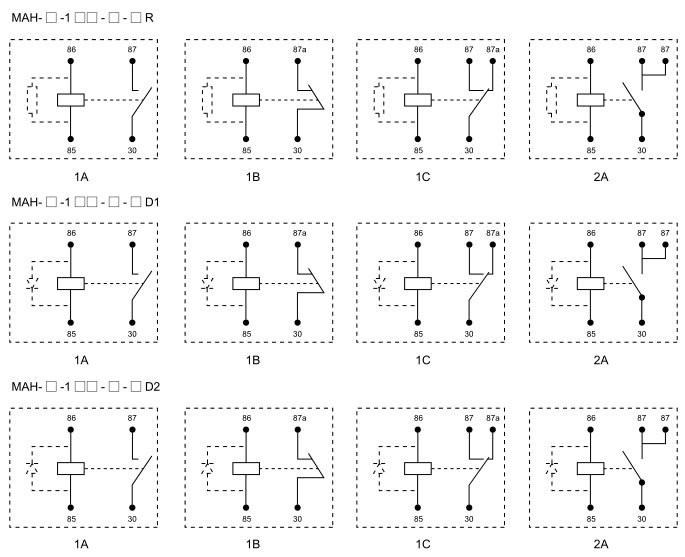
What is a Relay? At its core, a relay is an electromechanical switch that is activated by an electrical signal. It consists of an electromagnet, a set of contacts, and a spring mechanism. The relay works by using a low-power electrical signal to control the movement of the contacts, enabling a higher power circuit to be switched on or off. Working Principle of a Relay Circuit The working principle of a relay circuit is based on the concept of electromagnetic induction. When an electric current flows through the relay’s coil (electromagnet), it generates a magnetic field. This magnetic field attracts or repels a metal armature that is connected to a set of contacts. Depending on the design of the relay, the movement of the armature either closes or opens the contacts, completing or breaking the circuit.




 Chat Oline