relay assembly techniques: enhancing precision and efficiency in modern electronics
Release time:2025-12-05 17:25:11
Relay assembly techniques play a crucial role in the design and production of electrical and electronic devices that require automated switching. From industrial machinery to automotive systems, relays are essential components in various fields, serving as the bridge between control circuits and power circuits. The assembly of relays, however, is not merely about placing components together. It involves a series of detailed procedures and considerations to ensure performance, reliability, and cost-effectiveness. This article will explore the key relay assembly techniques used in modern electronics and highlight their importance in ensuring high-quality products.
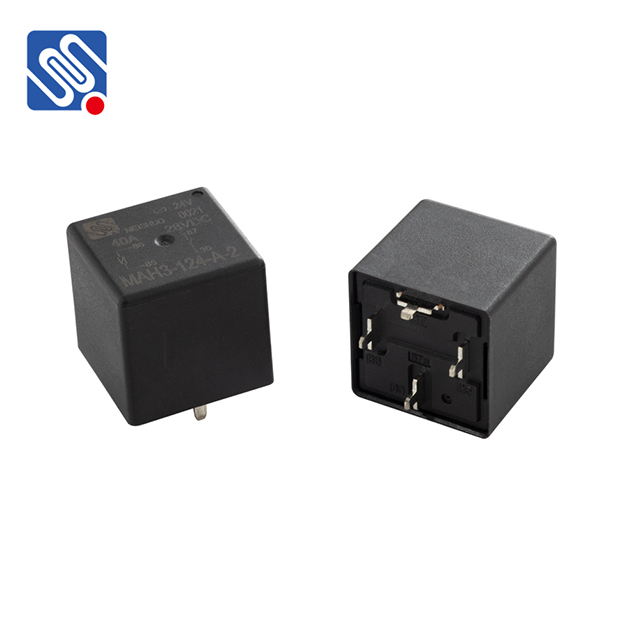
Understanding the Basics of Relays A relay is an electrically operated switch that controls the flow of current in a circuit. It typically consists of a coil, a set of contacts, and a spring mechanism. When an electric current is passed through the coil, it generates a magnetic field that moves the contacts, either opening or closing the circuit. This simple yet effective mechanism makes relays invaluable for controlling high-voltage or high-current circuits with a low-voltage signal. Selection and Sizing of Relays The first step in relay assembly is selecting the appropriate relay for a given application. The choice of relay depends on several factors, including the voltage and current requirements, the operating environment, and the type of control system. For example,
Automotive relays require a high level of durability and resistance to temperature fluctuations, while industrial relays may need to handle high switching frequencies.




 Chat Oline