understanding low-power relay: key features, applications, and benefits
Release time:2025-12-05 18:16:15
A low-power relay is a type of electromagnetic switch that operates using minimal input power while being capable of controlling higher power circuits. These relays are essential components in various electronic systems, especially in modern devices that demand energy efficiency. As electronic devices become more compact and energy-conscious, the role of low-power relays has become more critical in reducing the overall energy consumption of systems.
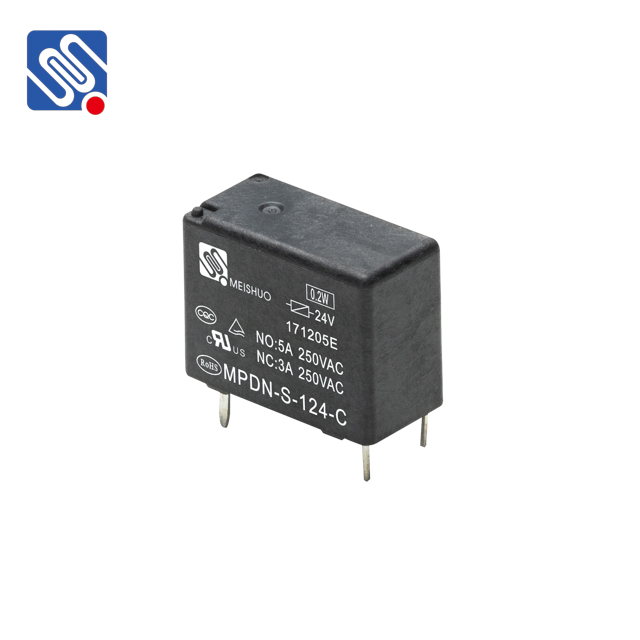
What is a Low-Power Relay? A low-power relay works on the same basic principles as a regular electromagnetic relay. It consists of a coil, armature, and contacts. When an electric current passes through the coil, it generates a magnetic field that pulls the armature, which in turn activates the contacts to either open or close the circuit. However, the distinguishing factor of low-power relays is their ability to operate with significantly lower control currents and voltages, usually in the range of milliamps to a few hundred milliamps, compared to their higher-power counterparts. Key Features of Low-Power Relays




 Chat Oline