relay application notes: enhancing system efficiency and reliability
Release time:2025-12-06 00:57:30
Relays are essential components in numerous electrical and electronic systems. They serve as switches that control the flow of current in a circuit, enabling or disabling different components in response to various control signals. As technology evolves, the demand for relays in complex systems grows, requiring engineers to understand their applications in depth. Relay application notes provide invaluable insights into the best practices, considerations, and potential issues that can arise when using relays. These documents offer guidance for selecting the right relay for a specific application and optimizing its performance. This article explores the importance of relay application notes and how they contribute to system reliability and efficiency.
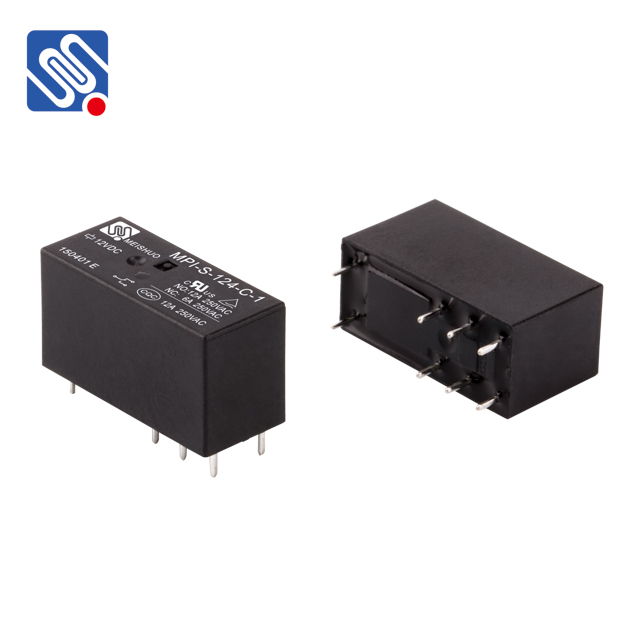
Understanding Relays At their core, relays are electromechanical devices that use an electrical signal to open or close contacts, thereby controlling the current flow to a load. There are different types of relays, such as electromagnetic relays, solid-state relays, and reed relays. Each has its unique characteristics and is suitable for specific applications. For instance, electromagnetic relays are widely used due to their reliability and cost-effectiveness. However, they have mechanical parts, which wear over time, leading to potential failures. Solid-state relays, on the other hand, have no moving parts and are more durable, but they can be more expensive. When engineers are selecting a relay for an application, the type of load, current requirements, switching frequency, and environmental conditions must all be considered. This is where relay application notes come in handy.




 Chat Oline