understanding relay characteristics and their importance in electrical systems
Release time:2026-01-05 10:08:46
Relays are integral components in electrical systems, offering control and protection in a wide range of applications. From industrial automation to automotive circuits, relays act as electrical switches that allow one circuit to control another. Understanding the characteristics of relays is crucial for selecting the right relay for specific needs, ensuring safety, efficiency, and longevity in various electrical systems. This article explores the key relay characteristics and their importance in system design.
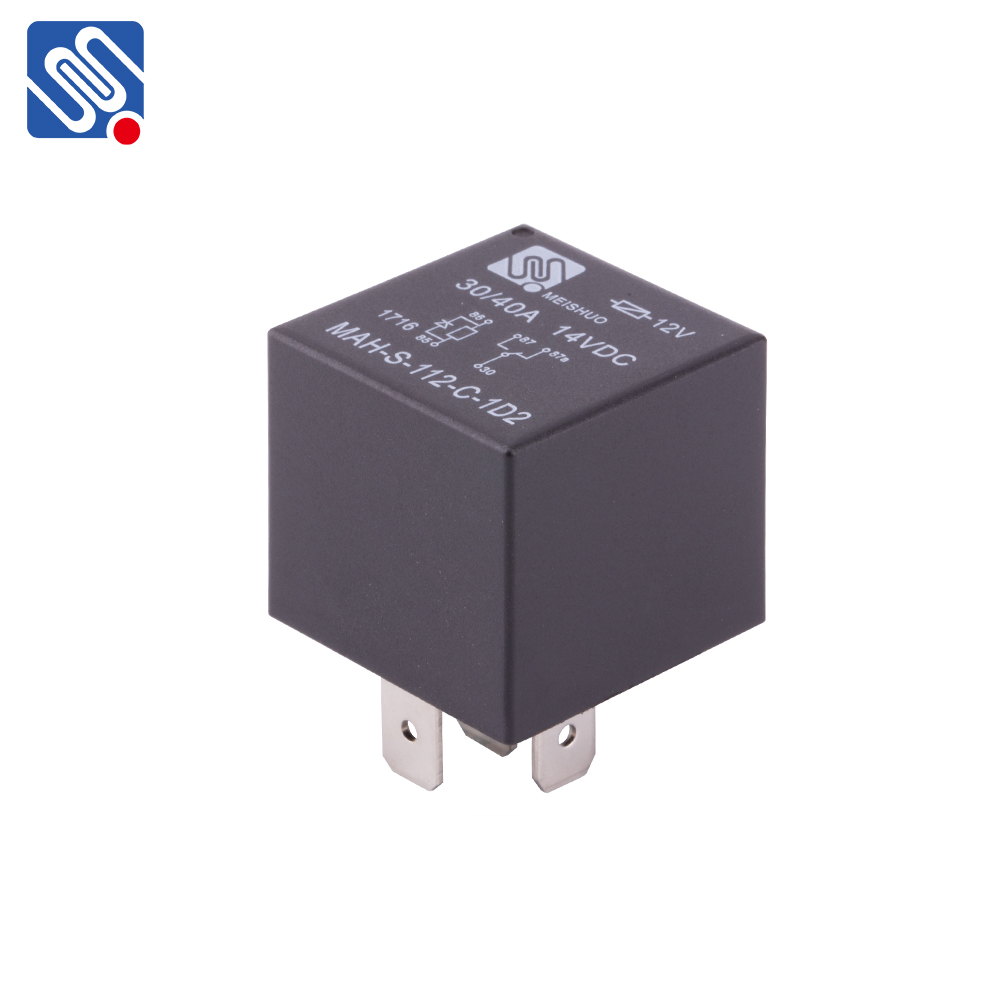
1. Coil Voltage and Its Importance
The coil voltage, often referred to as the excitation voltage, is the voltage required to energize the relay’s coil. When this voltage is applied, it generates a magnetic field that operates the switch, either opening or closing the contacts. Each relay is designed to work within a specific range of coil voltages, and using a voltage outside this range can damage the relay or cause improper operation. Understanding the required coil voltage is essential for ensuring that the relay operates effectively within the desired parameters of the circuit.
2. Contact Configuration: The Key to Switching Mechanism




 Chat Oline