understanding relay safety features: enhancing electrical system protection
Release time:2026-01-05 10:12:37
In the realm of electrical engineering, relays serve as pivotal components that control the flow of electricity in various systems. They operate by utilizing electromagnetism to mechanically switch circuits on and off, making them essential for automation and safety. The importance of relay safety features cannot be overstated, as they are fundamental in protecting both electrical circuits and connected devices from damage. In this article, we will explore several key safety features commonly found in relays and discuss their importance in enhancing the reliability of electrical systems.
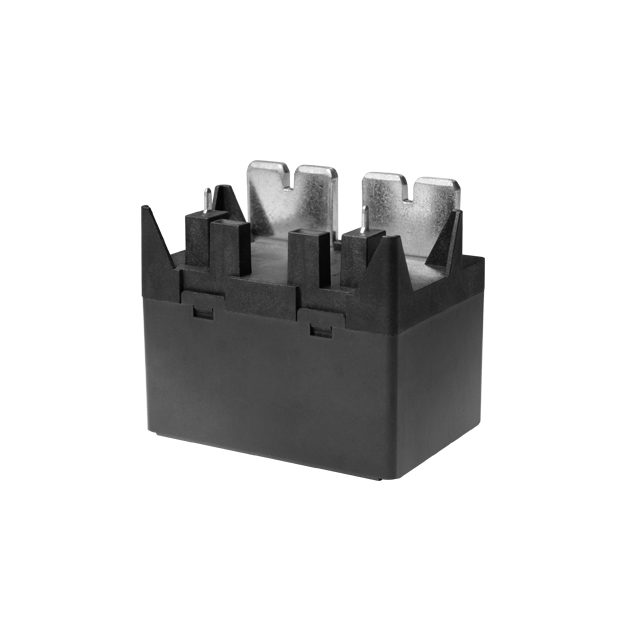
Overload Protection
One of the primary safety features of relays is their ability to provide overload protection. Overload occurs when the amount of current flowing through a circuit exceeds the rated capacity of its components. This can lead to overheating and potential damage. Overload relays are designed to automatically disconnect the circuit when excessive current is detected. This critical safety mechanism not only protects the relay itself but also prevents damage to electrical appliances and reduces the risk of fire caused by overheating.
Short Circuit Protection
Short circuits pose a significant risk in electrical systems, often resulting in severe damage to equipment and potentially posing serious safety hazards. Relays equipped with short circuit protection features detect abnormal current flow and instantly interrupt the circuit. This rapid response minimizes the risk of damage and ensures the safety of both the electrical system and personnel working with it. Many modern relays incorporate advanced sensing technologies that enhance their ability to detect short circuits immediately.




 Chat Oline