understanding time relay: functions, applications, and importance in automation
Release time:2026-01-07 02:00:42
A Time Relay is a crucial component in the field of industrial automation and electrical control systems. It serves the function of controlling the on/off states of electrical circuits based on a time delay. These devices are often used in situations where precise timing is required to either delay or schedule actions. Time relays are vital in ensuring smooth operations, energy efficiency, and the protection of electrical systems in various industries. This article delves into the fundamental working principles of time relays, their different types, and the wide range of applications in modern electrical systems.
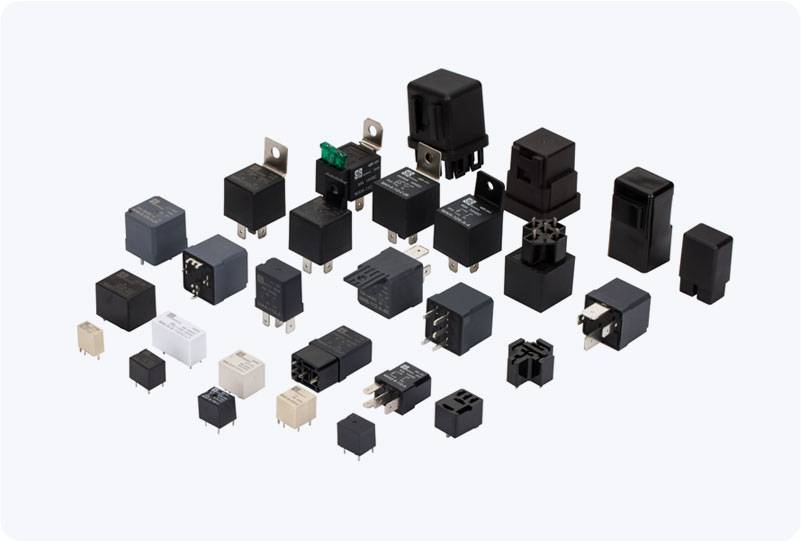
What is a Time Relay?
A Time Relay, as the name suggests, is an electrical relay designed to operate after a specified time interval. Unlike standard relays that act immediately when triggered, time relays provide a time delay before their action occurs. This delay is critical in situations where immediate response could cause operational issues or where a specific timing sequence is required for tasks such as machinery startups, lighting control, and more.
The basic function of a time relay involves three main elements: the time delay setting, the control circuit, and the switch. When an input signal is received, the time relay remains inactive for a predetermined period. After this time interval passes, it either closes or opens the contacts to control the connected circuit. The time delay can be adjusted to suit the specific application, making these relays versatile and adaptable.




 Chat Oline