understanding the 30a power relay: key features and applications
Release time:2026-01-07 02:14:21
The 30A Power Relay is a crucial component in modern electrical systems, particularly for managing high-power devices. It functions as a switch that allows low-power control circuits to manage high-power loads safely and efficiently. From automotive applications to industrial machinery, 30A relays are indispensable in numerous sectors. This article will explore the features, working principles, applications, and benefits of the 30A power relay, shedding light on its importance in everyday electrical systems.
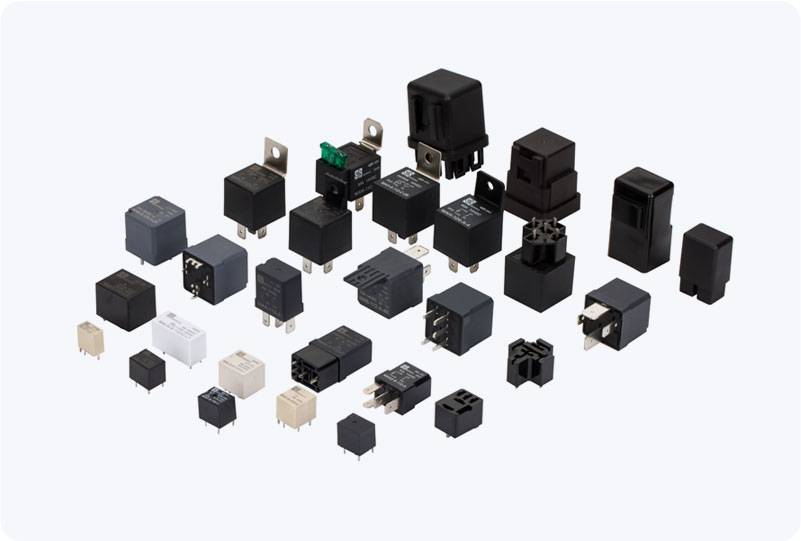
What is a 30A Power Relay?
A relay, in general, is an electrically operated switch that allows a low-current control signal to switch a much higher-current load. The 30A Power Relay is specifically designed to handle up to 30 amperes of current, making it ideal for high-power applications. It can switch AC or DC circuits, depending on its design and the requirements of the system. These relays are designed to handle higher loads compared to standard relays, which often handle lower currents, typically in the range of 10-15A.
The 30A power relay is commonly found in automotive electrical systems, industrial automation, HVAC (heating, ventilation, and air conditioning) systems, and home appliances. It ensures that devices can be turned on or off safely without subjecting the control circuits to the risks associated with high-power electrical components.




 Chat Oline