relay safety features: essential components for safe electrical systems
Release time:2025-12-06 12:04:18
Relays are crucial components in modern electrical systems, used to control circuits and provide protection in case of faults, overloads, and other dangerous situations. The importance of safety features in relays cannot be overstated, as they help to ensure the reliable operation of electrical equipment while preventing costly damage, downtime, and even hazards like fires. This article will explore some of the key safety features integrated into relays, focusing on their roles in protecting electrical systems and enhancing their operational stability.
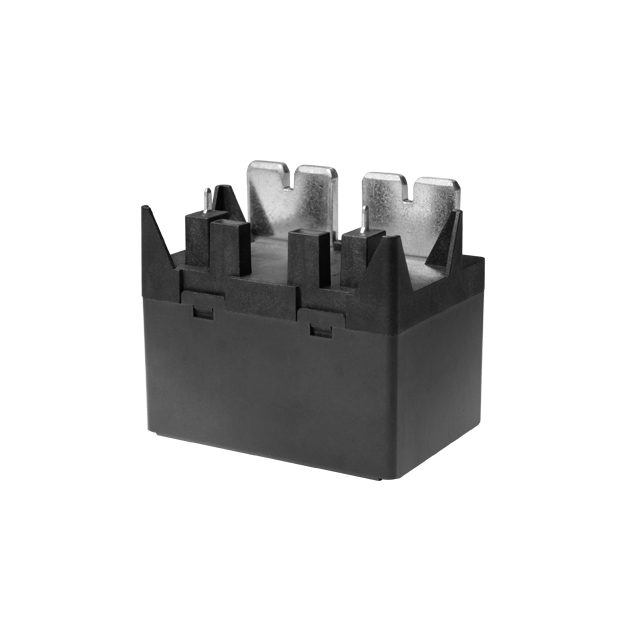
1. Overload Protection One of the most common safety features in relays is overload protection. Overload relays are designed to protect motors and other electrical equipment from the damaging effects of prolonged overcurrent conditions. When a relay detects an excess in current—usually caused by an equipment malfunction or overloading—the relay will disconnect the circuit, preventing overheating that could potentially lead to fires or irreversible damage to the equipment. This type of relay is crucial in industrial settings where heavy machinery operates continuously and is subject to high power demands.




 Chat Oline