vacuum arc extinguishing relay: a key component in high-voltage protection systems
Release time:2025-12-06 12:14:47
The Vacuum Arc Extinguishing Relay (VAER) is an essential component in modern electrical power systems, particularly for high-voltage applications. These relays are used primarily in circuit breakers to safely interrupt electrical currents and protect equipment from damage caused by short circuits, overcurrents, or other electrical faults. Utilizing the vacuum arc extinguishing principle, these relays provide efficient, reliable, and long-lasting protection in electrical circuits. This article explores the working principle, key features, advantages, and applications of the Vacuum Arc Extinguishing Relay.
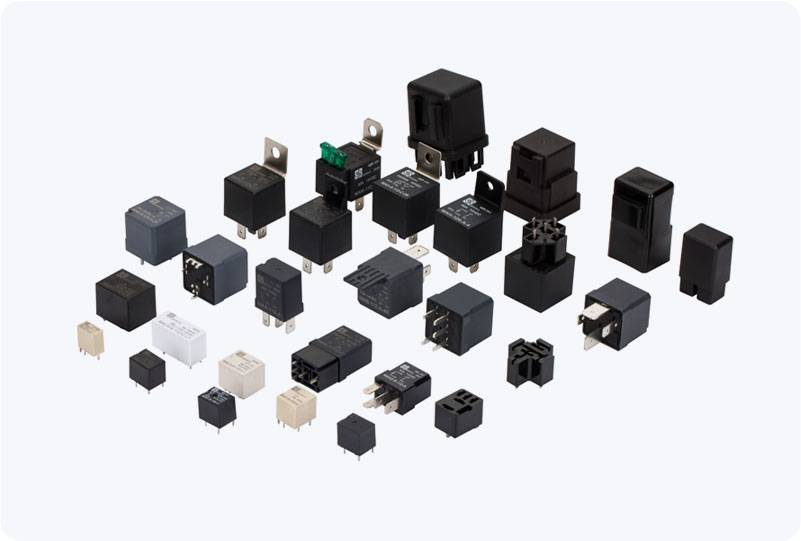
Working Principle of the Vacuum Arc Extinguishing Relay At its core, the Vacuum Arc Extinguishing Relay functions by utilizing a vacuum to extinguish electrical arcs that form when contacts in a circuit breaker separate. Electrical arcs occur when high currents pass through the contacts of a breaker and attempt to maintain continuity after the contacts open. These arcs can damage the circuit components, leading to catastrophic failures if not extinguished properly. The vacuum environment in the relay acts as an insulator, capable of absorbing and dissipating the energy from the arc. When the contacts of the relay open, the arc is created inside the vacuum chamber. The low-pressure vacuum rapidly cools the arc, preventing it from continuing and thereby extinguishing it quickly and efficiently. Once the arc is extinguished, the relay can fully interrupt the current, preventing further damage to the electrical system.




 Chat Oline