understanding ac solenoid valve: principles, features, and applications
Release time:2025-12-06 12:46:38
An AC Solenoid Valve is a crucial component in many automation systems, controlling the flow of fluids such as water, air, and oil. It utilizes an electromagnetic mechanism to open or close a valve, making it essential for controlling fluid movement in various industrial, residential, and commercial applications. This article aims to provide a detailed understanding of AC solenoid valves, including their operating principles, features, and applications.
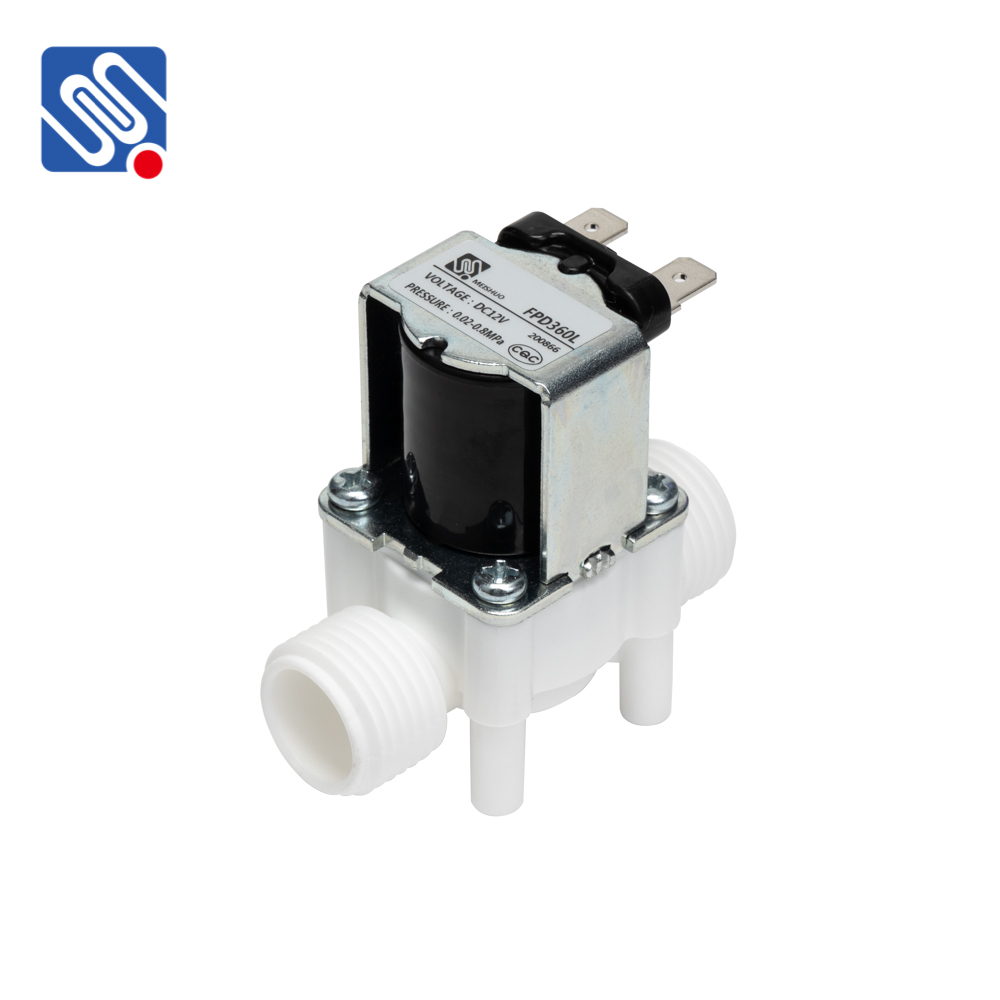
Working Principle of AC Solenoid Valves The core functionality of an AC solenoid valve lies in its electromagnetic actuation. A solenoid valve consists of a coil, a plunger (iron core), and a valve body. When an alternating current (AC) voltage is applied to the coil, it generates a magnetic field. This magnetic field attracts the plunger, causing it to move and either open or close the valve seat. The movement of the plunger controls the flow of the fluid through the valve. When the AC power supply is turned on, the solenoid valve opens or closes the valve depending on its design. Upon switching off the current, the magnetic field disappears, and the valve returns to its default position, typically using a spring or gravity mechanism to close the valve.




 Chat Oline