understanding the 24v 30a relay: a comprehensive overview
Release time:2026-01-07 11:38:52
The 24V 30A relay is a crucial electrical component that plays a pivotal role in various industrial and automotive applications. Designed to control high-current loads, this relay exemplifies electrical reliability and operational efficiency. In this article, we will delve into the intricate details of the 24V 30A relay, exploring its working principles, applications, and key considerations for effective implementation.
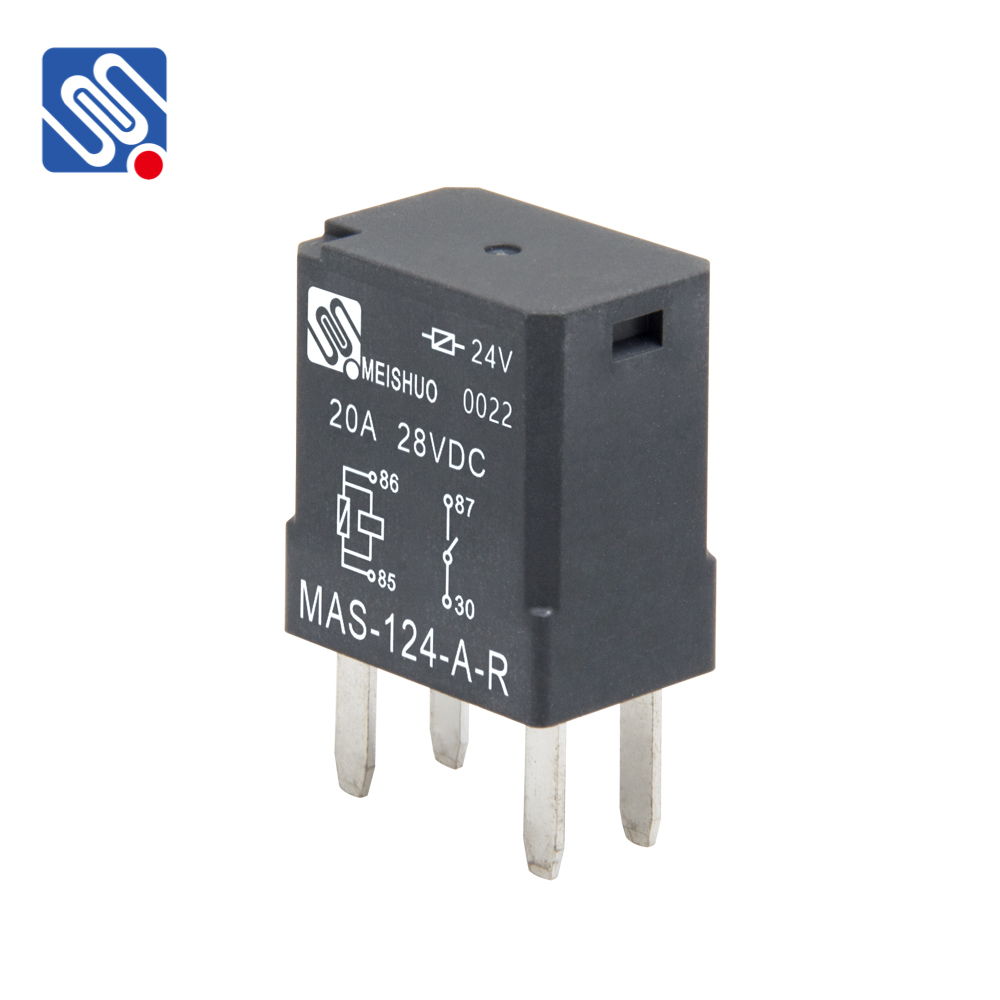
What is a 24V 30A Relay?
At its core, a relay is an electromechanical switch that utilizes an electromagnetic coil to open or close a circuit. The 24V 30A relay specifically operates at a nominal voltage of 24 volts and can handle a maximum current of 30 amperes. This meter of electrical capacity makes it suitable for controlling various high-power devices, ensuring that they can be switched on or off remotely or automatically.
Working Principle
The operation of a relay is relatively straightforward. When an electrical current passes through the coil of the relay, it generates a magnetic field that attracts a movable armature. This movement opens or closes one or more pairs of contacts, thereby enabling or disabling the flow of electricity to a connected load. The key advantage of a relay is that it allows a low-power signal to control a high-power circuit, providing electrical isolation between control and load circuits.




 Chat Oline