understanding automotive relay coil specifications
Release time:2026-01-07 15:00:54
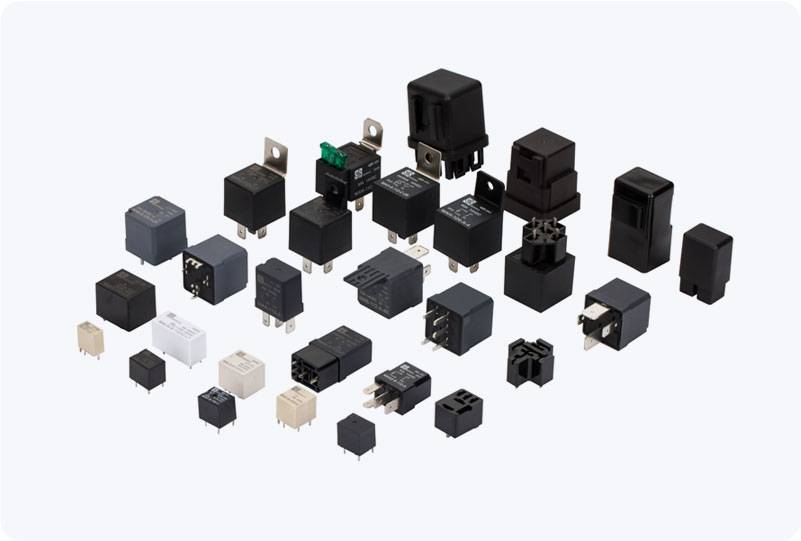
In the automotive industry, relays play a crucial role in the functioning of electrical systems. They act as switches that control the flow of electricity in various applications, from powering headlights to engaging the starter motor. One essential aspect of relays is their coils, which energize and deactivate the switch. Understanding the specifications of Automotive relay coils is fundamental for automotive technicians, engineers, and enthusiasts alike. This article will explore the key specifications of Automotive relay coils, providing insight into their importance and functionality.
1. Rated Voltage
One of the primary specifications for
Automotive relay coils is the rated voltage. Most automotive relays are designed to operate on either 12V or 24V DC systems. A standard passenger vehicle typically operates on a 12V system, while larger vehicles such as trucks and buses may utilize a 24V setup. The rated voltage ensures that the relay operates efficiently within the designed electrical environment, activating the coil without causing damage to the components.
2. Coil Resistance
Coil resistance is another critical specification to consider. This value, measured in ohms, affects the amount of current flowing through the relay coil when energized. Generally, the resistance can range anywhere from a few tens to several hundreds of ohms. A lower resistance generally results in a higher current draw, allowing the relay to activate quickly. It is crucial to select a relay with appropriate coil resistance for the specific application to ensure optimal functionality without overloading the vehicle's electrical system.




 Chat Oline