understanding the 30a power relay: features, applications, and importance
Release time:2026-01-07 16:00:01
A 30A Power Relay is a key electrical component widely used in systems that require the switching of high-current circuits. This type of relay is designed to handle electrical loads up to 30 amperes, making it ideal for controlling high-power devices in various industrial, automotive, and residential applications. In this article, we will explore what a 30A power relay is, its features, typical applications, and its importance in modern electronic systems.
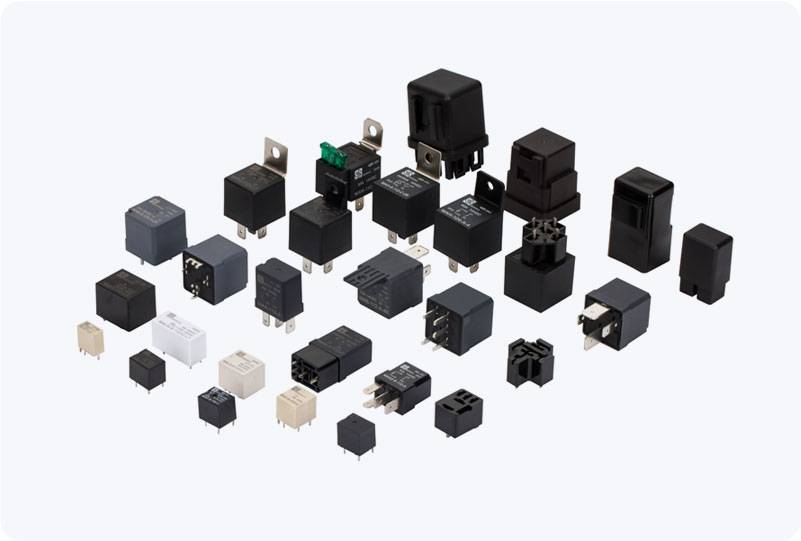
What is a 30A Power Relay?
A 30A power relay is an electromechanical switch used to control high-power electrical devices. It consists of an electromagnet (coil) that, when energized, generates a magnetic field that pulls a set of contacts together, thus closing or opening the electrical circuit. The relay allows low-power control signals to switch high-current circuits without direct manual intervention.
These relays are designed to manage 30 amperes of current, making them suitable for controlling large loads. The 30A rating typically refers to the maximum current the relay can handle without overheating or malfunctioning.




 Chat Oline