the essential guide to 24vdc relay: applications, features, and benefits
Release time:2026-01-07 16:45:23
Relays are a crucial component in electrical and electronic systems, acting as switches to control the flow of electricity between circuits. The 24VDC relay, specifically designed to operate with a 24V direct current (DC) voltage, has become an indispensable device in various applications, especially in industrial automation, control systems, and low-voltage electrical setups. In this article, we will explore the key features, working principle, applications, and benefits of 24VDC relays, and why they are an essential part of modern electrical systems.
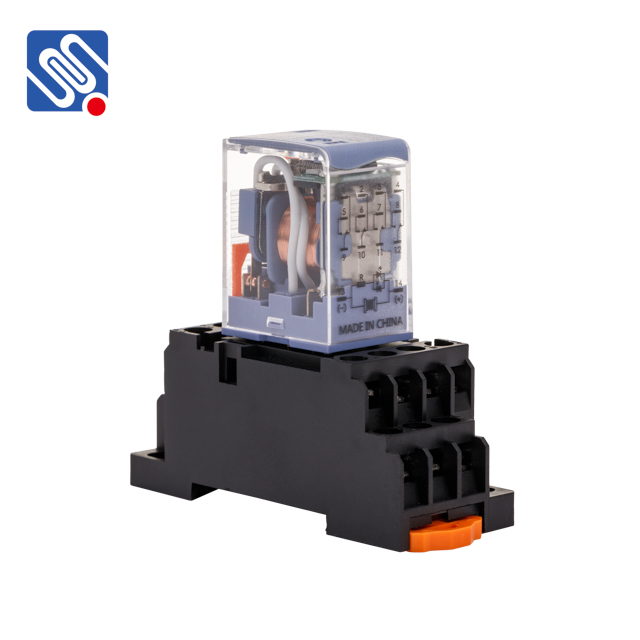
What is a 24VDC Relay?
A 24VDC relay is an electromagnetic switch that uses a 24V DC power supply to control the flow of electricity in a circuit. The basic function of a relay is to open or close a set of contacts, depending on whether the relay is energized or de-energized. When a 24V DC current is applied to the coil inside the relay, it generates a magnetic field that pulls or pushes a movable armature, activating the relay’s contacts.
These relays are commonly used in applications where a low-power control circuit needs to control a high-power load, allowing for remote switching and automation. 24VDC relays are often selected due to their reliability, compact size, and versatility in handling a range of electrical requirements.




 Chat Oline