understanding solid state relay (ssr): features, benefits, and applications
Release time:2026-01-07 18:24:02
Solid State Relay (SSR) technology has transformed the landscape of electrical switching solutions in both industrial and commercial applications. Unlike traditional electromechanical relays that rely on moving parts to make or break connections, SSRs utilize semiconductor devices to perform the same task without physical switching mechanisms. This inherent difference leads to a variety of advantages, positioning SSRs as a reliable choice in numerous situations.
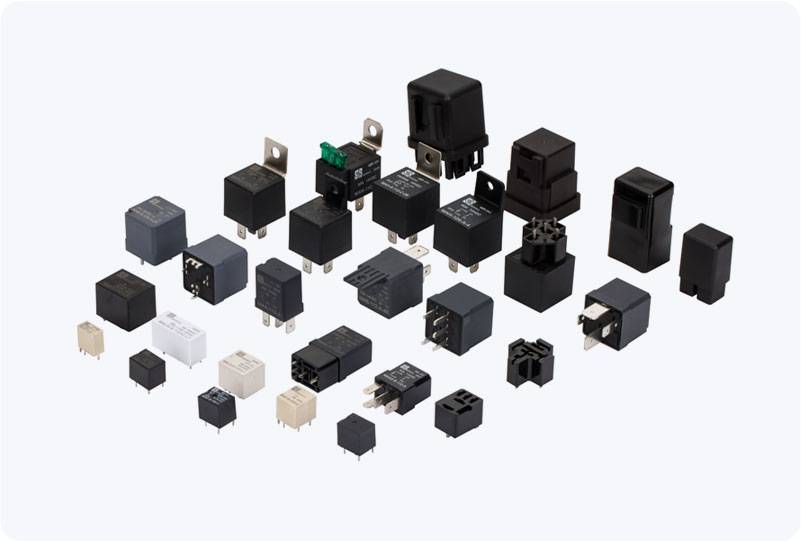
What is a Solid State Relay (SSR)?
A Solid State Relay is an electronic switching device that can be turned on or off by a low-power control signal. The core of an SSR typically features a combination of components such as opto-isolators, thyristors, or transistors. When the input control signal activates the SSR, it allows current to flow through the load circuit without mechanical intervention. This makes SSRs suitable for applications that require rapid and frequent switching.
Key Features of SSRs
Mechanical Design: SSRs eliminate moving parts, which reduces wear and tear over time. This characteristic contributes to their longevity and improves reliability, making them an excellent choice for applications requiring high switching frequencies.




 Chat Oline