understanding the 24v 30a relay: functionality, applications, and considerations
Release time:2026-01-07 19:41:07
The 24V 30A relay is an essential component in the world of electrical engineering, automation, and control systems. This versatile device allows users to manage high current loads with a low voltage control signal, making it invaluable in various applications ranging from industrial machinery to consumer electronics. In this article, we will delve into the functionality of the 24V 30A relay, its applications, and some important considerations to keep in mind when working with this device.
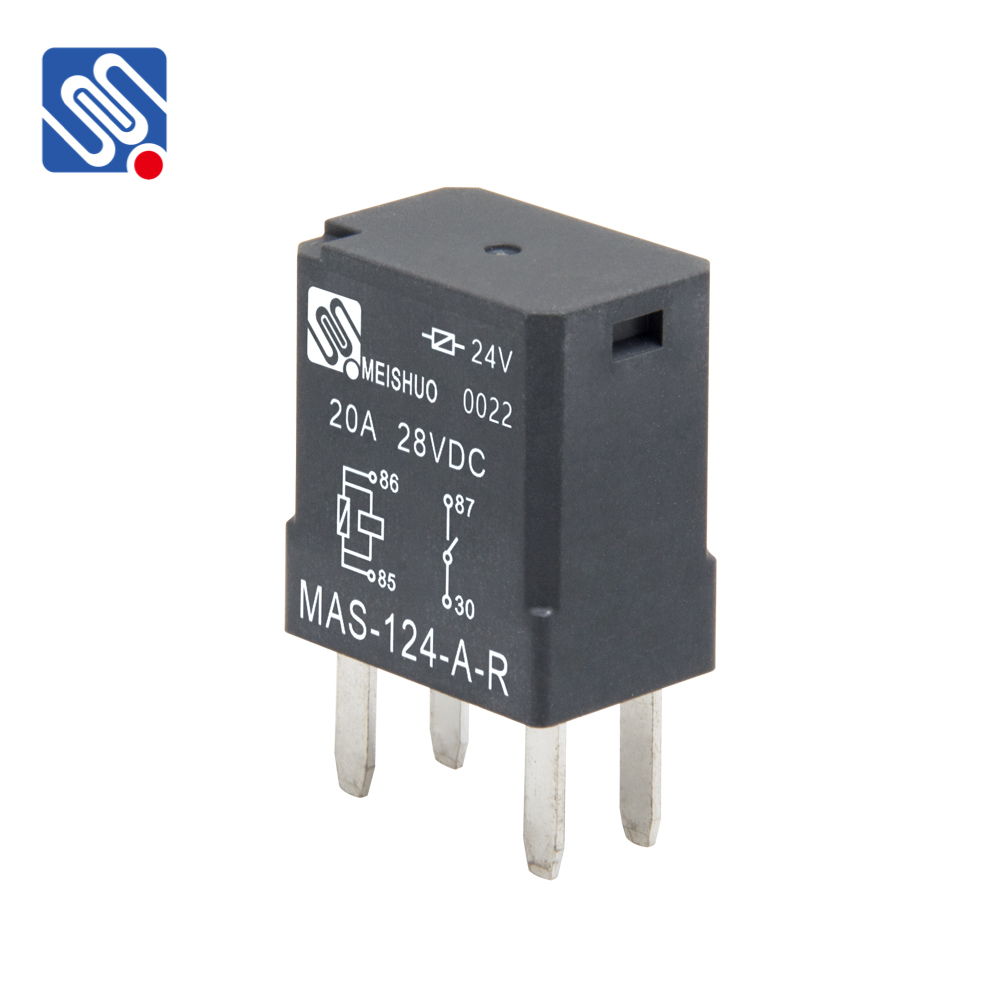
What is a Relay?
A relay is an electrically operated switch that consists of an electromagnet, a movable armature, and a set of contacts. When an electric current flows through the relay's coil (in this case, a 24V supply), it generates a magnetic field that attracts the armature. This motion opens or closes the contacts, thereby controlling the flow of electricity in an external circuit. The 24V 30A relay is designed to handle loads up to 30 amperes, making it suitable for a wide range of applications.
Functionality of the 24V 30A Relay
The main function of the 24V 30A relay is to simply switch high current loads, while being activated by a relatively low voltage signal. The relay typically features several terminals:
Next article:there is none left!
Return to List




 Chat Oline