understanding ro solenoid valve: essential component in reverse osmosis systems
Release time:2026-01-08 14:06:21
The RO solenoid valve, an integral part of reverse osmosis (RO) water treatment systems, plays a pivotal role in regulating water flow and ensuring optimal performance of the filtration process. As the demand for clean, potable water grows globally, understanding the functionality and importance of these valves is essential for both consumers and industry professionals. This article aims to provide an in-depth look at RO solenoid valves, including their working principles, applications, features, selection criteria, and maintenance protocols.
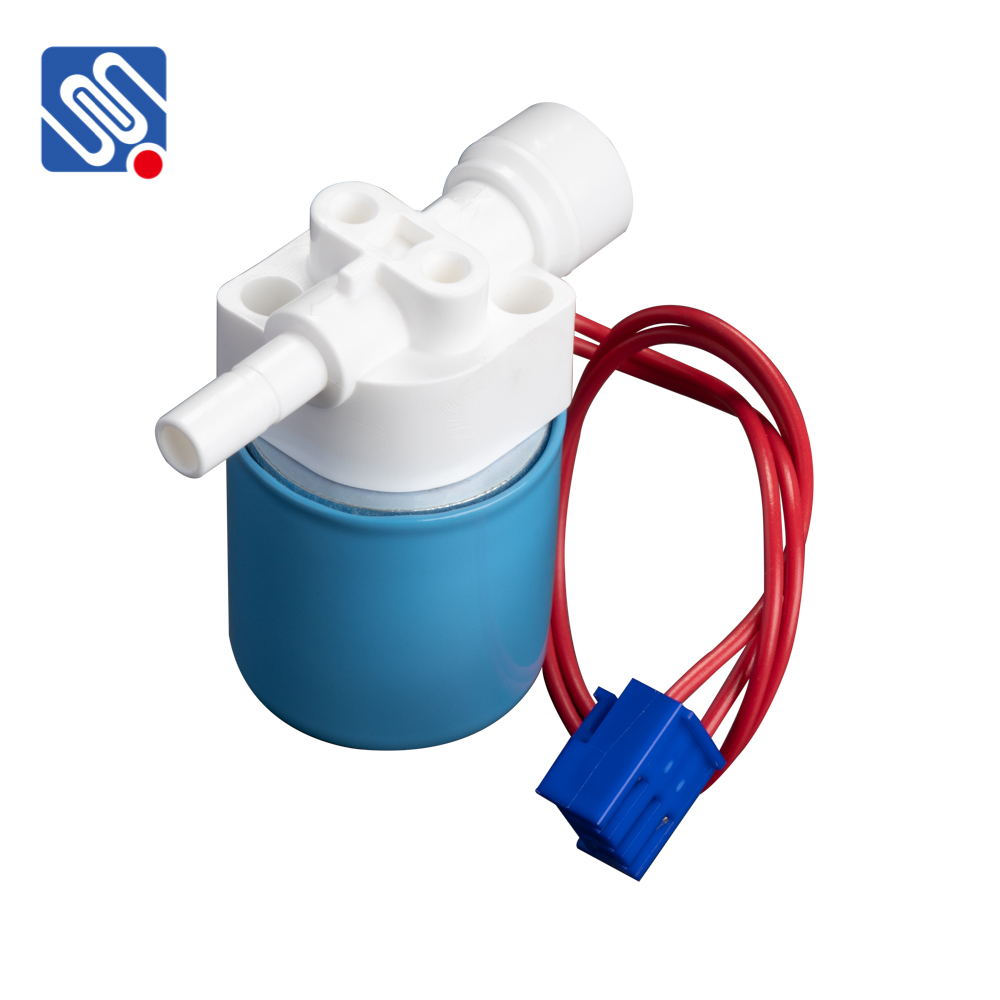
Understanding the Working Principle
The primary function of an RO solenoid valve is to control the flow of water in an RO system. This process is made possible by the use of an electromagnetic coil and a diaphragm or plunger mechanism. When electrical current passes through the coil, it generates a magnetic field that operates the diaphragm, opening or closing the valve. This action enables or restricts water flow depending on the system's demands. The valve can be classified as either normally open or normally closed, depending on the specific requirements of the application.
Key Applications
Next article:there is none left!
Return to List




 Chat Oline