understanding latching relays: how they work and their applications
Release time:2026-01-08 13:44:28
Latching relays, also known as bistable relays, are electromechanical devices that maintain their output state without requiring continuous power to the coil. Unlike conventional relays that require a constant current to hold their position, latching relays only need a pulse of energy to toggle between two stable states—typically "on" and "off." This unique feature makes them highly efficient and valuable in various applications where power consumption needs to be minimized, or where devices need to hold their state until the next instruction is given.
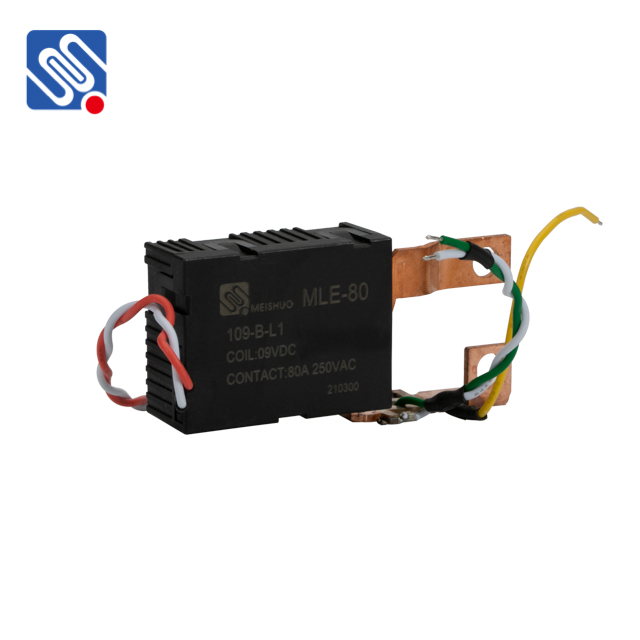
How Latching Relays Work
A latching relay works by using a mechanical or electronic latch to keep its contacts in one of two stable states. These relays consist of two primary components:
Coils: Latching relays usually have two separate coils. One coil is used to set the relay in one state, while the other is used to reset the relay to the opposite state. When a pulse is sent to one of these coils, the relay's internal mechanism switches its contacts to a different position. Importantly, once the contact has been switched, the relay will stay in that position without needing further power to the coils.




 Chat Oline