understanding the role and importance of hv insulation fault relay in electrical systems
Release time:2025-12-06 19:07:55
The HV Insulation Fault Relay is an essential protective device used in high-voltage (HV) electrical systems. It plays a crucial role in ensuring the safety and reliability of electrical equipment by continuously monitoring the insulation status of high-voltage devices, such as transformers, circuit breakers, and transmission lines. When an insulation fault occurs, the relay quickly detects it and triggers necessary actions to mitigate further risks, thereby preventing potential damage to equipment and enhancing the safety of operations. In this article, we will explore the key functions, features, and applications of the HV Insulation Fault Relay in modern electrical systems.
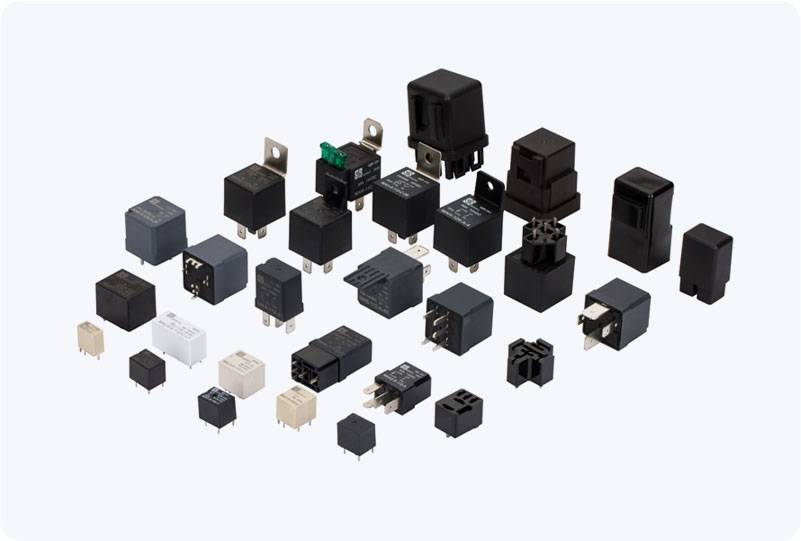
Key Functions of HV Insulation Fault Relay The primary function of an HV Insulation Fault Relay is to monitor the insulation integrity of high-voltage electrical systems. Insulation breakdowns or degradation can occur due to factors such as aging, external stress, environmental conditions, or internal faults. A sudden failure in insulation can lead to catastrophic consequences, including equipment damage, electrical fires, or even personnel injury. Fault Detection and Monitoring: The HV Insulation Fault Relay constantly tracks the insulation resistance of the high-voltage equipment, especially the insulation between conductors and the earth. By detecting a drop in insulation resistance or a fault, it can immediately identify a potential failure in the system.




 Chat Oline