high current car relay: essential for automotive power management
Release time:2025-12-06 19:20:59
High-current car relays are integral components in modern automotive electrical systems, serving as a bridge between low-power control signals and high-power circuits. These relays play a crucial role in ensuring that a vehicle's electronic systems function smoothly, safely, and efficiently. Whether controlling starter motors, headlights, fuel pumps, or other heavy-duty electrical components, high-current relays provide a means of switching high-power devices with low-power control signals, thereby protecting delicate circuits and preventing potential damage.
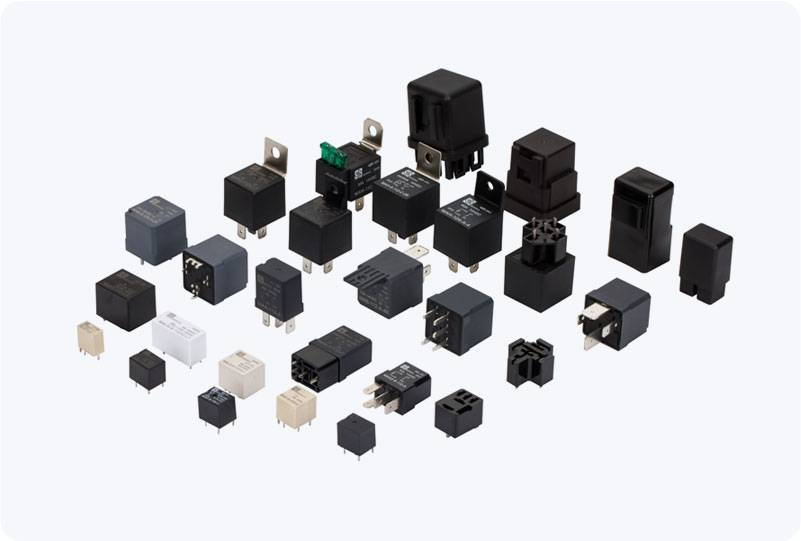
What is a High Current Car Relay? A high-current car relay is an electromechanical device that allows low-power control systems, such as switches or microcontrollers, to control high-power circuits. The relay consists of a coil and a set of contacts. When an electrical current passes through the coil, it generates a magnetic field that causes an armature to move, closing or opening the contacts that control the high-current circuit. The contacts are typically "normally open," meaning that the circuit remains off until the relay is activated by a control signal. In automotive applications, these relays are typically designed to handle currents ranging from 10 to 100 amps or more, depending on the specific needs of the vehicle’s electrical system.




 Chat Oline