understanding leakage current relay: a critical component for electrical safety
Release time:2026-01-10 14:52:55
In the modern world, where electricity powers almost every aspect of our lives, the need for safety in electrical systems is of paramount importance. One vital device that enhances electrical safety is the Leakage Current Relay (LCR). This protective mechanism plays a key role in detecting potential hazards associated with leakage current, ultimately safeguarding both human lives and electrical equipment. In this article, we will delve into the workings, functions, types, and significance of Leakage Current Relays.
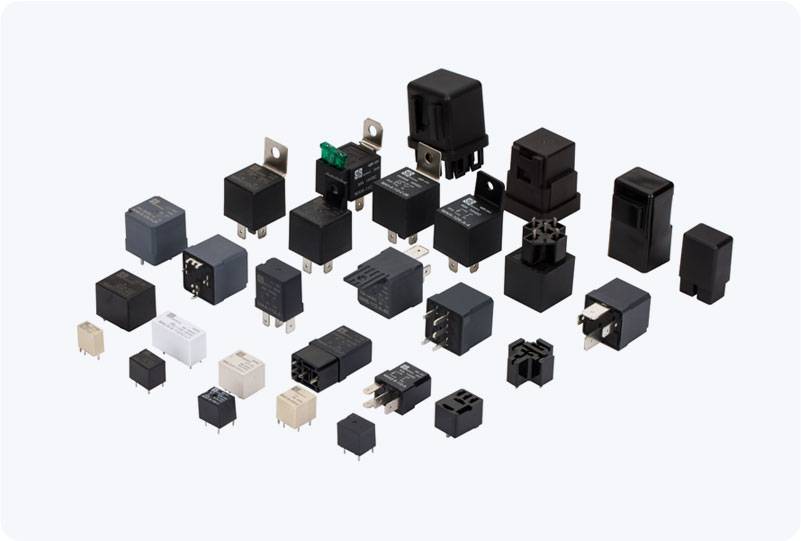
What is a Leakage Current Relay?
A Leakage Current Relay is an electrical device designed to monitor the current flowing through electrical systems and detect any leakage that occurs due to insulation failures or faults in electrical appliances. Leakage currents are unintended paths through which electrical current can flow, which may occur due to damaged insulation, moisture ingress, or equipment malfunction. If these currents reach dangerously high levels, they can cause electric shocks, fires, and serious injuries.
How Does a Leakage Current Relay Work?
The fundamental operating principle of an LCR is based on the detection of discrepancies between the incoming and outgoing current in a system. Under normal circumstances, the current flowing into a device should equal the current flowing out. However, when a fault occurs, causing some of the current to leak into the ground or other unintended paths, the LCR detects this imbalance.




 Chat Oline