understanding the reverse osmosis solenoid valve: key components and applications
Release time:2025-12-06 22:03:01
Reverse Osmosis (RO) systems have become integral in modern water purification processes, both in residential and industrial settings. Among the critical components of an RO system is the Reverse Osmosis Solenoid Valve—a small yet powerful valve that plays a significant role in controlling the flow of water within the system. In this article, we will delve into the workings of the Reverse Osmosis Solenoid Valve, its importance, and its applications in different industries.
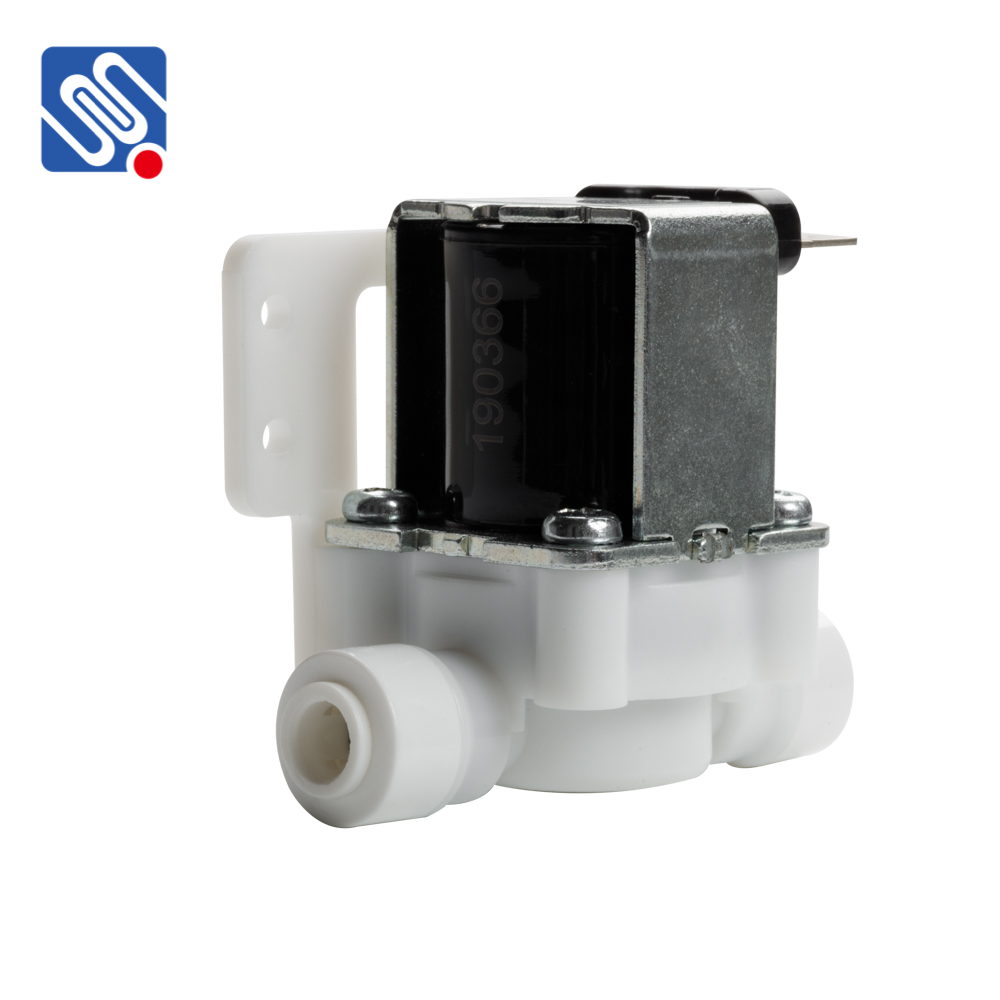
What is a Reverse Osmosis Solenoid Valve? A Reverse Osmosis Solenoid Valve is an electrically operated valve used to control the flow of water within a reverse osmosis filtration system. It is powered by an electromagnetic coil that, when activated by an electrical signal, opens or closes the valve to either allow or restrict the flow of water. This functionality is critical to maintaining the efficiency of the system and ensuring that water filtration occurs as required. The primary role of the solenoid valve in an RO system is to regulate the flow of water from the feed source into the RO membrane, and, in some cases, to manage the discharge of wastewater. These valves can be controlled by automatic sensors, timers, or user input, depending on the setup of the water treatment system.




 Chat Oline