understanding time delay relay: applications and importance in automation
Release time:2025-12-06 22:55:56
A Time Delay Relay (TDR) is an essential component in electrical and automation systems, offering the ability to delay the action of a relay or switch after receiving a trigger signal. This article explores the function, types, applications, and advantages of time delay relays, shedding light on their importance in both industrial and residential settings.
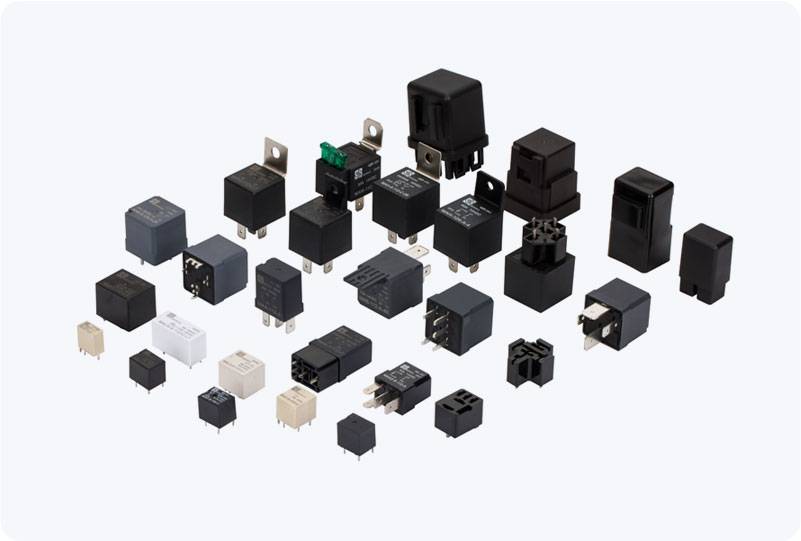
What is a Time Delay Relay? A time delay relay is a type of relay that introduces a delay in the switching process. When it receives a trigger signal, it does not immediately perform the task. Instead, it waits for a set amount of time before executing the action, whether that is turning on or off a connected device. This delay can be in the form of a preset duration or an adjustable time period, depending on the specific relay model. How Does It Work? A Time Delay Relay typically works through an integrated timer circuit. When a trigger signal is applied, the relay begins counting down from the preset time delay. Once the countdown reaches zero, the relay performs its intended action, such as closing or opening a switch. The time delay is critical because it allows for a controlled sequence of operations, making sure that the devices in the system are activated or deactivated at the right time.




 Chat Oline