understanding the importance of a relay datasheet in circuit design
Release time:2025-12-06 23:44:36
A relay is an essential component in many electronic circuits, acting as an electrically operated switch that allows a low-voltage control circuit to switch a higher-voltage power circuit. Relays are used in a variety of applications, from home appliances to industrial machines, and even in automotive systems. When selecting the right relay for a project, one of the most important documents to refer to is the Relay Datasheet. This datasheet provides all the necessary technical information about the relay's specifications, performance characteristics, and operating conditions, ensuring that the component will function as required in the intended application.
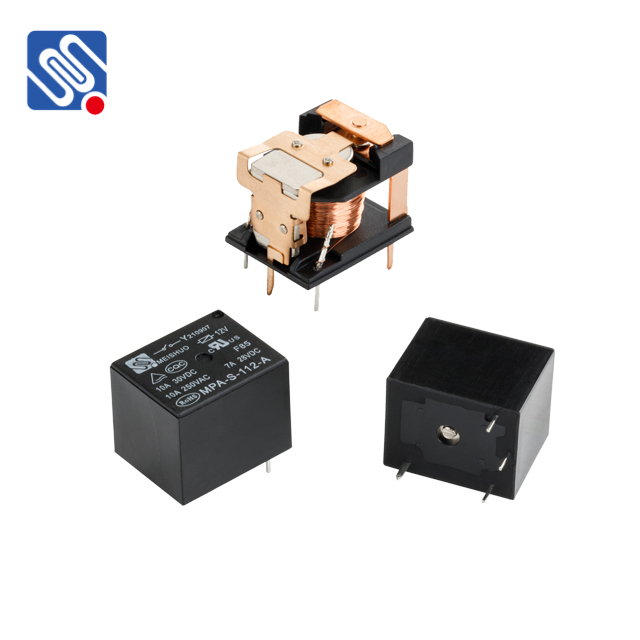
What is a Relay Datasheet? A Relay Datasheet is a technical document provided by the manufacturer of a relay, outlining all relevant information about the component. It includes detailed specifications about the relay's electrical and mechanical properties, physical dimensions, and other crucial features. The datasheet is a valuable resource for engineers and designers, as it helps ensure that the selected relay meets the needs of a particular circuit or system. Key Information Found in a Relay Datasheet Rated Voltage and Current: One of the primary pieces of information found in a relay datasheet is the rated voltage and current for both the coil and the contacts. This includes the voltage required to energize the relay's coil (usually referred to as the coil voltage), as well as the maximum voltage and current that the relay’s contacts can handle when closing a circuit. It’s crucial to ensure that the relay’s ratings align with the application’s voltage and current specifications to avoid component failure.




 Chat Oline