understanding food grade solenoid valve: essential components for food safety
Release time:2026-01-14 03:00:16
In the food and beverage industry, maintaining safety and hygiene is of utmost importance. One critical component that plays a significant role in achieving these standards is the food grade solenoid valve. This article will explore the design, functionality, applications, and selection criteria of food grade solenoid valves, highlighting their essential role in ensuring food safety.
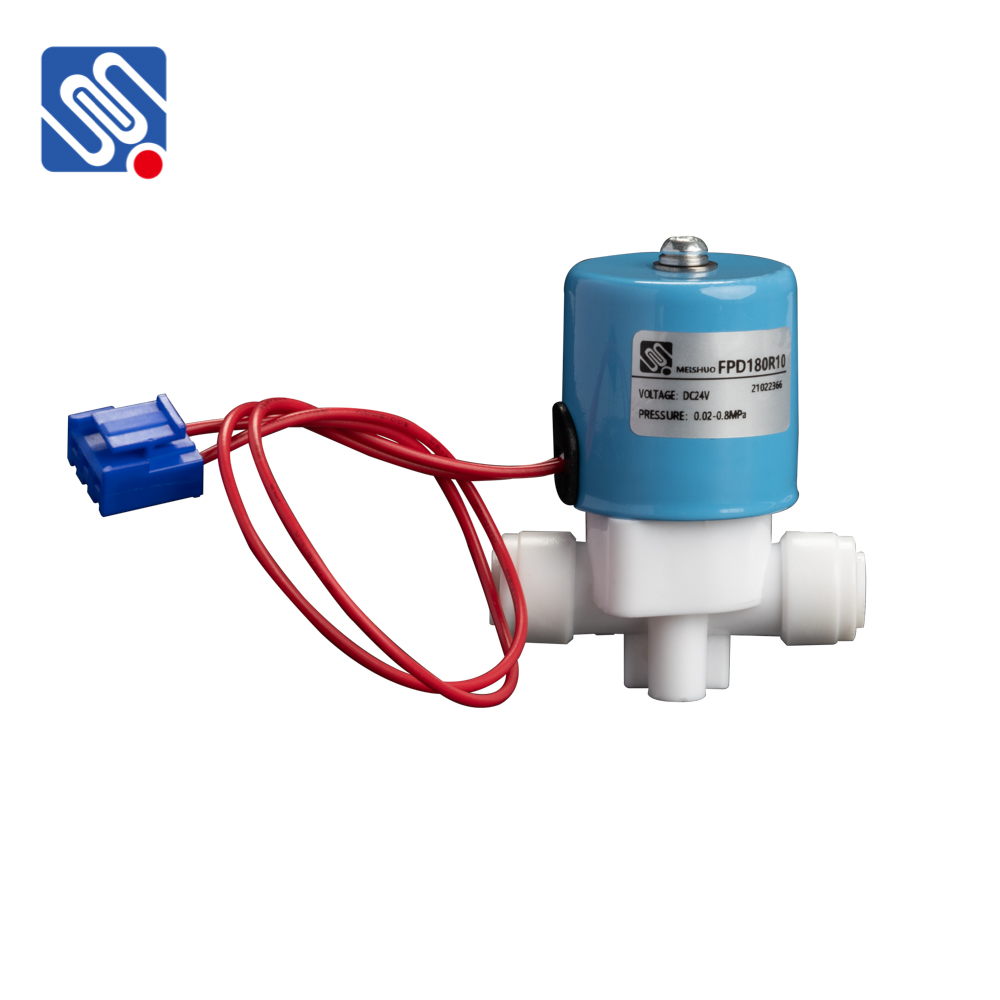
What is a Food Grade Solenoid Valve?
A food grade solenoid valve is an electromechanical device used to control the flow of fluids in various food processing applications. The valve operates by using electromagnetic energy to open or close a flow path, thereby regulating the movement of liquids and gases that come into contact with food products. These valves are designed to meet stringent hygiene standards and are constructed from materials approved for food applications.
Why are Food Grade Solenoid Valves Important?
The importance of food grade solenoid valves cannot be overstated. These valves are essential for ensuring that food products remain uncontaminated throughout the processing and packaging stages. A malfunctioning valve can cause cross-contamination, leading to foodborne illnesses and significant financial losses for producers. By utilizing high-quality food grade solenoid valves, companies can enhance their operational efficiency while adhering to health and safety regulations.




 Chat Oline