ro solenoid valve: essential component in reverse osmosis water treatment systems
Release time:2025-12-07 01:37:38
Reverse Osmosis (RO) technology has revolutionized the way we purify and treat water. It is widely used in both residential and industrial applications for producing clean, safe drinking water and for various other water purification processes. One of the key components in RO systems is the RO solenoid valve, a crucial device that controls the flow of water in the system, ensuring optimal performance and efficiency. In this article, we will explore what an RO solenoid valve is, how it works, and why it is important for reverse osmosis water treatment systems.
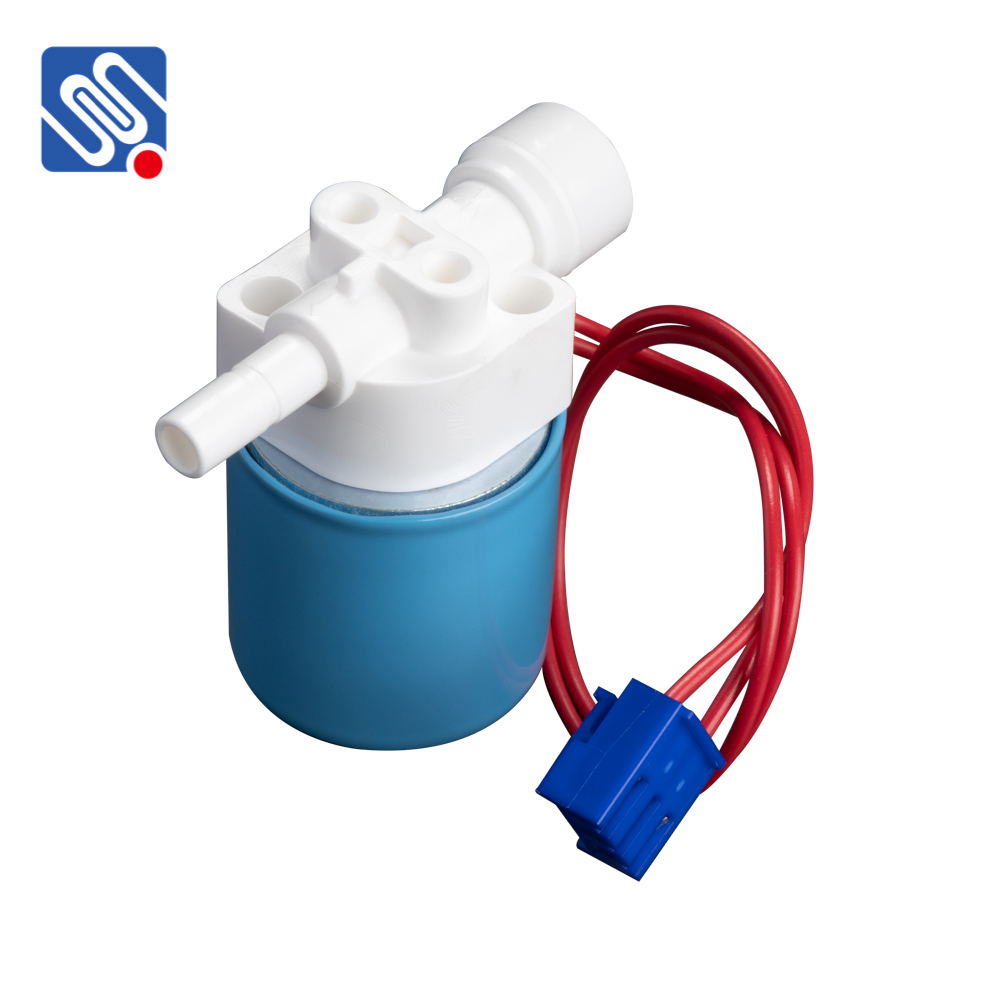
What is an RO Solenoid Valve? An RO solenoid valve is an electromechanical device used to regulate water flow within a reverse osmosis water treatment system. The term "solenoid" refers to the coil of wire that, when energized, generates a magnetic field, which in turn moves a valve mechanism to open or close the water passage. In essence, it acts as a switch that automatically controls the flow of water based on the signals it receives from other components of the system, such as pressure sensors or timers. In a reverse osmosis system, the RO solenoid valve is typically placed in critical positions, such as at the inlet of the RO membrane or at the drain line. Its primary function is to control the flow of water into the system or to waste water, depending on the status of the system.




 Chat Oline