exploring the impact and future of relay solutions in automation and communication systems
Release time:2025-12-07 02:00:04
Relay solutions have become integral to various technological systems, especially in fields like automation, communication, and electrical engineering. A relay, essentially an electrically operated switch, plays a pivotal role in controlling circuits and ensuring the smooth operation of modern technology. From industrial applications to everyday consumer devices, relay solutions have become the backbone of many systems, providing both functionality and safety.
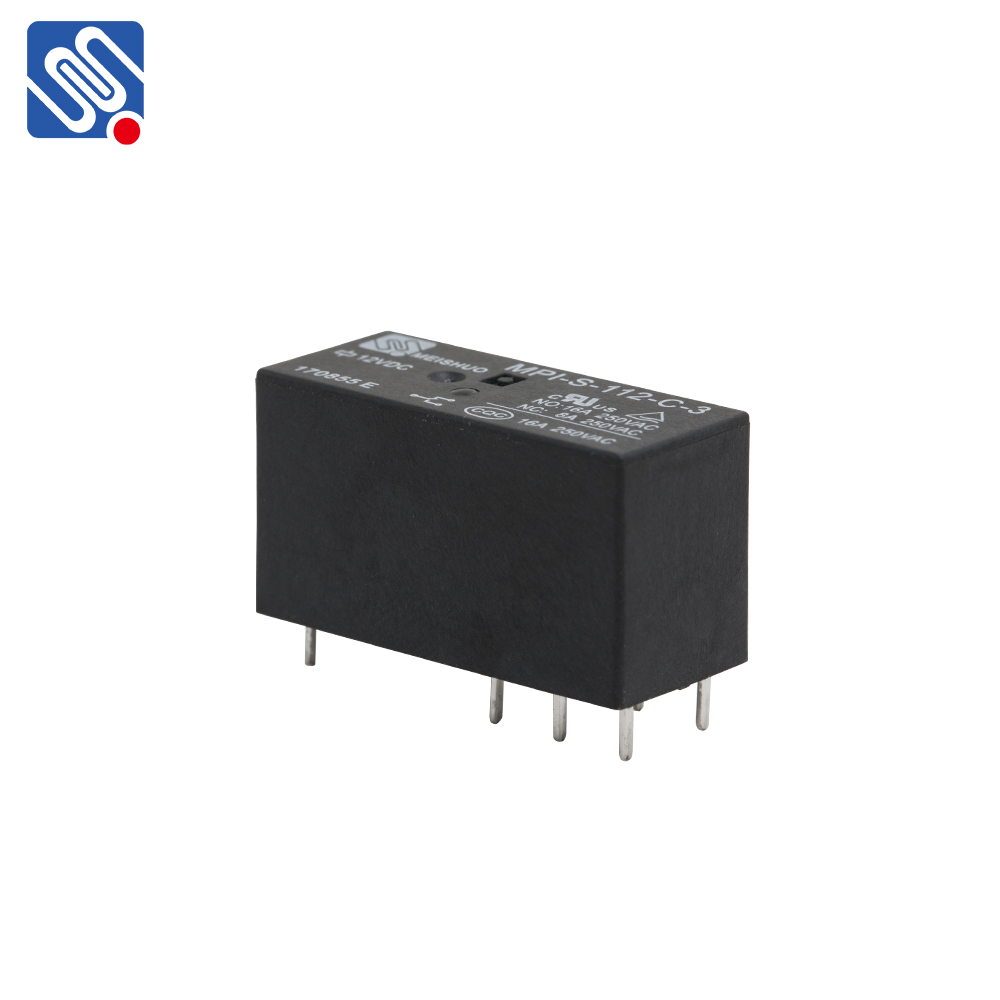
Understanding Relay Solutions At its core, a relay solution enables the remote control of electrical circuits by using an electromagnet to open or close the switch. This simple yet powerful mechanism allows for automation, reducing human intervention and increasing system efficiency. Relays are widely used in applications where high-voltage circuits need to be controlled by low-voltage signals. For example, in a car’s ignition system, relays enable the starter motor to be powered by a low voltage signal from the ignition switch, sparing the switch from high current demands. The versatility of relay solutions lies in their ability to handle different types of electrical signals and provide fail-safe protection. They come in several types, such as electromagnetic relays, solid-state relays, and reed relays, each suited to specific applications. Solid-state relays, for instance, are prized for their reliability and faster switching times compared to mechanical counterparts, making them ideal for high-performance applications in industries like telecommunications and computing.




 Chat Oline