understanding high-power relay: key components and applications
Release time:2025-12-07 02:11:09
A High-Power Relay is an essential component in the field of electrical engineering and power management. These relays are designed to handle high voltage and current levels, making them crucial in systems where power control is required for heavy-duty applications. This article will explore the fundamental aspects of High-Power Relays, their components, working principles, and various applications in industries such as energy, automotive, and industrial machinery.
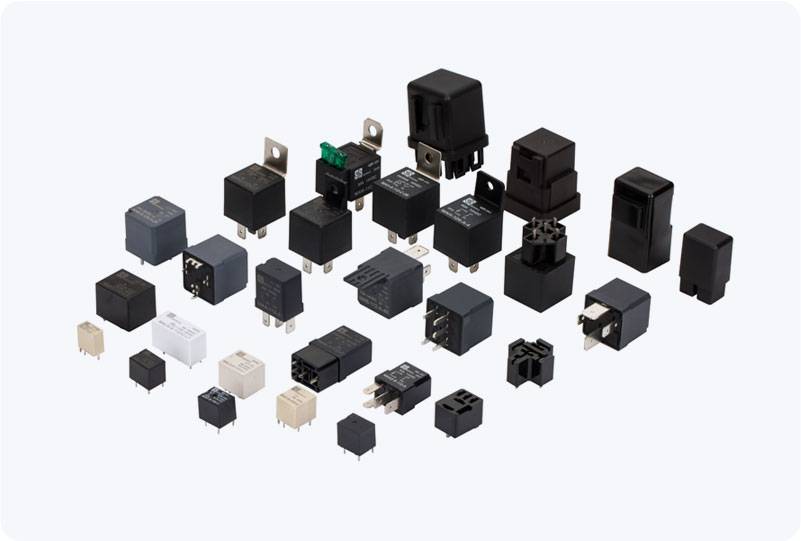
What is a High-Power Relay? A High-Power Relay is a type of electrical switch used to control high voltage or current circuits by using a small electrical control signal. These relays are engineered to handle large power loads, typically ranging from hundreds to thousands of amperes, without causing damage to the system. The purpose of the relay is to allow a low-power control circuit to switch on or off a high-power load circuit, ensuring safety and efficiency in power management. Key Components of High-Power Relays Contacts: The contacts are the primary part of the relay responsible for carrying current from the input to the output circuit. In high-power relays, the contacts are designed to withstand high current and voltage levels. They are usually made from durable materials such as silver or copper alloys, which have high conductivity and corrosion resistance.




 Chat Oline