understanding the filtration system solenoid valve: a key component in fluid control
Release time:2026-01-15 14:09:33
In today’s industrial landscape, efficient fluid management is essential for maintaining productivity, safety, and environmental standards. One critical component in many fluid management systems is the Filtration System Solenoid Valve. This device plays a pivotal role in controlling the flow of liquids and gases, ensuring that filtration processes operate smoothly and effectively. In this article, we will explore the function, applications, advantages, and considerations associated with Filtration System Solenoid Valves.
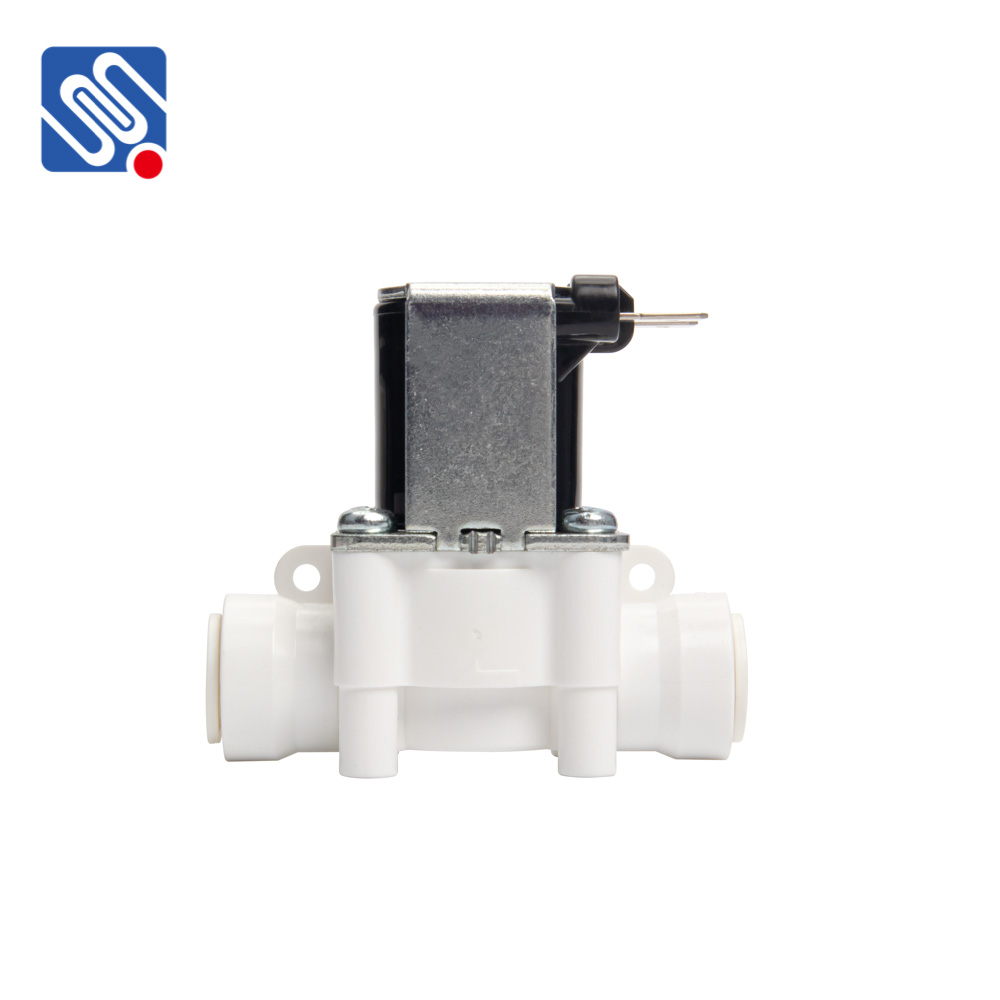
Functionality of Filtration System Solenoid Valve
At its core, a solenoid valve operates by using an electromagnetic coil to control the opening and closing of the valve. When electrical current passes through the coil, it generates a magnetic field that moves a plunger within the valve, either allowing or blocking the flow of fluid. The solenoid valve is designed to provide precise control over fluid dynamics, making it invaluable in filtration systems.
In filtration processes, solenoid valves are typically employed to manage the flow of incoming fluid to ensure that particles and impurities are effectively filtered out before the fluid is processed further. Additionally, these valves can initiate backwashing routines, a process whereby the flow is reversed to clean the filtration media, thus enhancing the efficiency and lifespan of the filtration system.




 Chat Oline