relay failure modes in cars: understanding the risks and solutions
Release time:2026-01-15 14:40:46
In modern automobiles, electronic systems play a crucial role in ensuring optimal performance, safety, and convenience. Among the essential components that facilitate these systems are relays. Relays act as switches that control the flow of electrical current to various parts of a vehicle, including lights, ignition systems, and electronic control units. However, like any other mechanical or electrical component, relays can fail, leading to various issues known as relay failure modes in cars. Understanding these failure modes is vital for diagnosing problems and maintaining vehicle reliability.
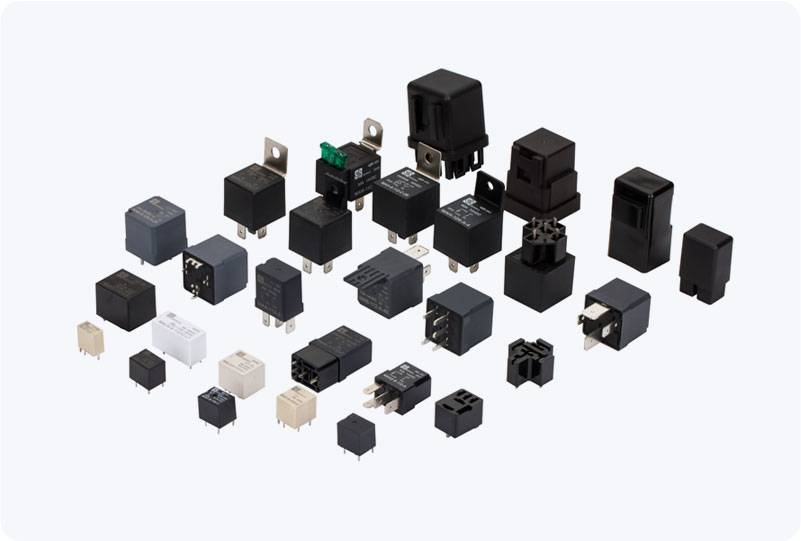
Types of Relay Failure Modes
1. Complete Relay Failure
The most alarming relay failure mode is when a relay completely ceases to function. In this scenario, the device that the relay controls will not operate at all. For instance, if the starter relay fails, the vehicle may not start, leaving the driver stranded. This type of failure can often be attributed to electrical shorts, age, or manufacturing defects.
2. Poor Contact Issues
Relays rely on internal contacts to control current flow. Over time, these contacts can become corroded or damaged, leading to poor electrical connectivity. Symptoms of this failure mode include intermittent function or total failure of connected devices. For example, headlights may flicker, or a radiator fan may operate sporadically. Poor contact can also result from environmental factors, such as moisture or dirt entering the relay housing.




 Chat Oline