understanding the 30a power relay: features, applications, and benefits
Release time:2026-01-17 11:46:12
A 30A Power Relay is a crucial component in electrical systems, designed to control high current loads with precision and reliability. As the name suggests, a 30A Power Relay can handle a maximum current of 30 amperes, making it ideal for applications requiring substantial power control. This article aims to explore the features, applications, and benefits of 30A Power Relays in various industries, focusing on their role in safely managing high-power circuits.
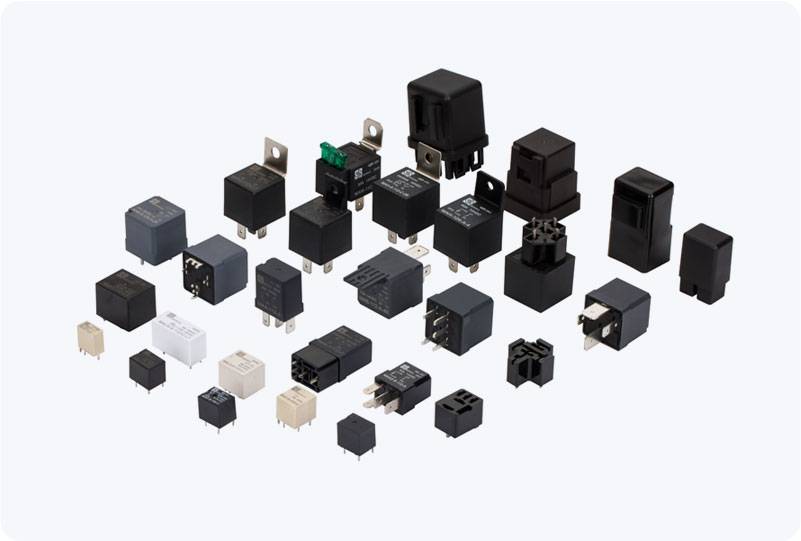
What is a 30A Power Relay?
A power relay is an electromechanical switch that uses an electromagnet to open or close a set of electrical contacts. The 30A Power Relay is designed to handle high current, typically rated for 30 amps, which is quite substantial compared to standard relays. It can control heavy-duty electrical devices or circuits that require significant power to function, such as motors, heating elements, and large lighting systems.
The relay consists of several parts, including a coil, contacts, a spring mechanism, and an armature. When an electrical current flows through the coil, it generates a magnetic field, causing the armature to move and either open or close the contacts. This action allows the relay to control a high-power circuit using a much lower control voltage.




 Chat Oline