understanding relay connectors: key components in electrical systems
Release time:2026-01-17 12:02:01
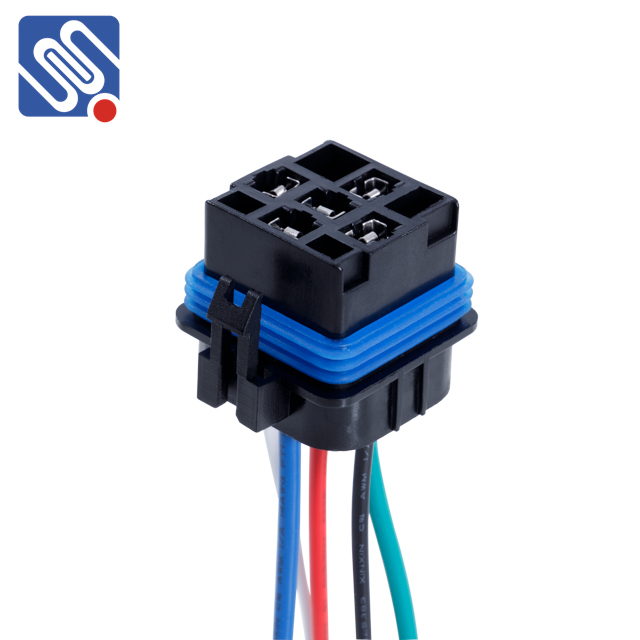
Relay connectors are essential components in electrical and electronic systems, serving both as connectors and control devices. These connectors facilitate the operation of relays, allowing low-voltage signals to control high-voltage circuits, making them invaluable in industrial automation, automotive applications, and various household appliances. This article explores the functionality, structure, applications, types, and important considerations when selecting relay connectors.
Functionality
The primary function of relay connectors is to control electrical circuits efficiently and safely. A relay acts as an electromechanical switch—a small amount of current can control a larger load. This feature is particularly advantageous because it allows for the management of high-power devices without requiring direct control from a high-power source.
Relay connectors achieve this by enabling high electrical isolation. The physical separation between the control and load circuits helps protect sensitive electronic components from voltage spikes and current surges that might occur in the main circuit. This isolation greatly enhances the system's overall durability and reliability.




 Chat Oline