understanding industrial control relay: a critical component in automation
Release time:2026-01-18 16:30:48
Industrial control relays are essential devices in modern automation systems, translating control signals into actions that drive machinery and electrical systems. These relays play a crucial role in controlling various electrical loads such as motors, alarms, lights, and heating systems across multiple industrial sectors. This article delves into the definition, operation, types, applications, advantages, and considerations when selecting industrial control relays.
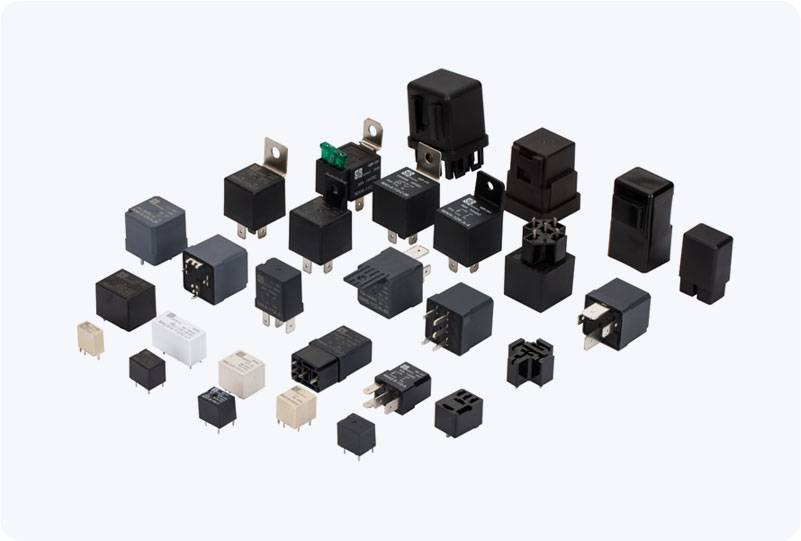
Definition and Function
An industrial control relay is essentially an electromagnetic switch. It consists of an electromagnetic coil, moving and stationary contacts, and a frame. When an electrical current flows through the coil, it generates a magnetic field that attracts the movable contacts, thereby completing the circuit. This interaction allows a small control signal to manage larger power loads, making relays indispensable for efficient control in industrial settings.
Operating Principle
The operational principle of an industrial control relay involves converting electrical energy into mechanical energy. Upon energization of the coil, the magnetic field created pulls in a lever that connects or disconnects the relay contacts. When the current is interrupted, a spring mechanism returns the contacts to their default position. This electromechanical action allows for the reliable control of various electrical devices, enabling them to start, stop, or change states based on the requirements set by an automation controller (like a PLC).




 Chat Oline