understanding the ground fault protection relay: essential for electrical safety
Release time:2026-01-18 20:18:37
A Ground Fault Protection Relay (GFPR) is a critical component in electrical protection systems, primarily designed to detect and mitigate the risks associated with ground faults in electrical circuits. Ground faults occur when an electrical conductor comes into direct contact with the earth or any grounded surface. This can lead to equipment damage, electrical fires, and potentially fatal electrical shocks. In this article, we will explore the function, importance, and application of the Ground Fault Protection Relay, shedding light on its role in maintaining the safety and integrity of electrical systems.
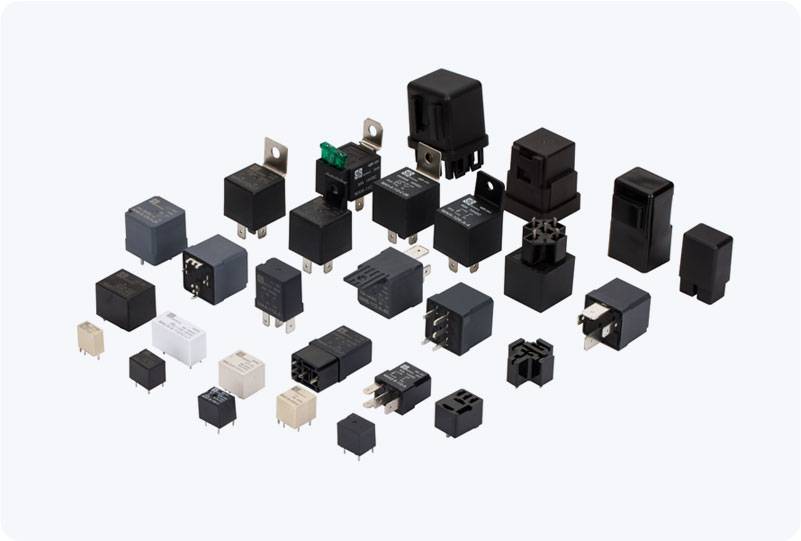
What is a Ground Fault Protection Relay?
A Ground Fault Protection Relay is an electrical protective device that monitors the current flow in a system for the presence of ground faults. When a ground fault occurs, the relay detects the leakage current and activates protective measures to isolate the affected circuit, minimizing potential damage or hazards. These relays are especially crucial in systems where ground faults are difficult to detect using conventional overcurrent protection methods.
The relay works by monitoring the zero-sequence current, which is the difference between the currents in the phases of the system and the neutral. When a ground fault happens, the system's current distribution becomes imbalanced, and the zero-sequence current rises. This surge is detected by the Ground Fault Protection Relay, which then trips the circuit breaker to stop the flow of electricity and prevent further damage.




 Chat Oline