understanding new energy vehicle relay: the backbone of electric mobility
Release time:2026-01-18 21:28:50
As the world shifts towards sustainable energy solutions, the focus on New Energy Vehicles (NEVs) has never been more pronounced. NEVs, encompassing electric vehicles (EVs), plug-in hybrid electric vehicles (PHEVs), and hydrogen fuel cell vehicles, represent a significant innovation in automotive technology aimed at reducing carbon emissions and reliance on fossil fuels. A crucial component of these vehicles is the relay, specifically designed for new energy applications. This article delves into the functions, types, and future trends of New Energy Vehicle Relays.
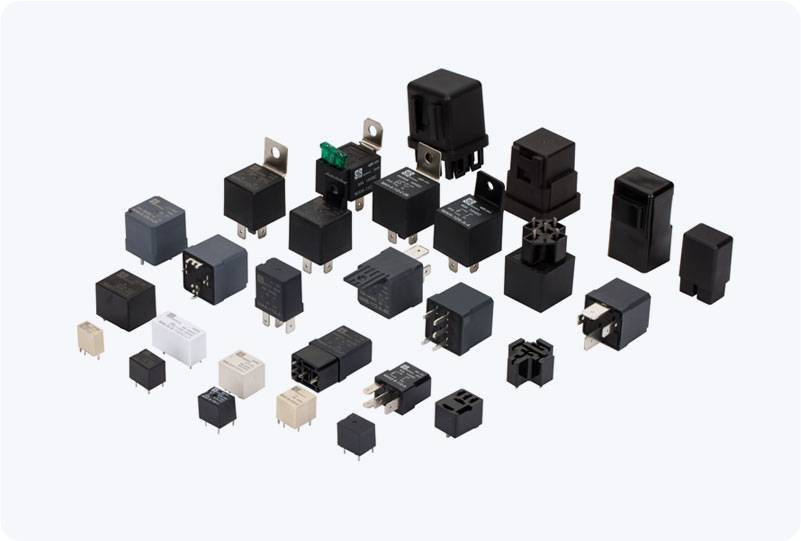
The Role of Relays in New Energy Vehicles
Relays in NEVs serve multiple essential functions that contribute to the efficient operation and safety of the vehicle. At its core, a relay is an electromechanical switch used to control electrical circuits. The primary roles of relays in NEVs include:
Circuit Control: NEVs often run on high-voltage electrical systems, necessitating efficient control mechanisms. Relays allow drivers to control various features, such as the vehicle's charging and discharging processes, without directly managing high voltages. This controller can maintain dimming lights, activate heating systems, or operate other high-power components safely.




 Chat Oline