relay troubleshooting: effective strategies to diagnose and fix common issues
Release time:2026-01-20 18:48:57
Relay troubleshooting is an essential skill for anyone involved in electrical and automation systems. Relays are electromechanical devices used to control a circuit by opening or closing contacts in response to an external signal, often used for switching high power devices with low power control. However, like any other electronic component, relays can fail, leading to malfunctioning systems or even complete breakdowns. Knowing how to troubleshoot relays effectively is crucial to ensure the reliability of your system. This article discusses key strategies to diagnose and fix common relay issues.
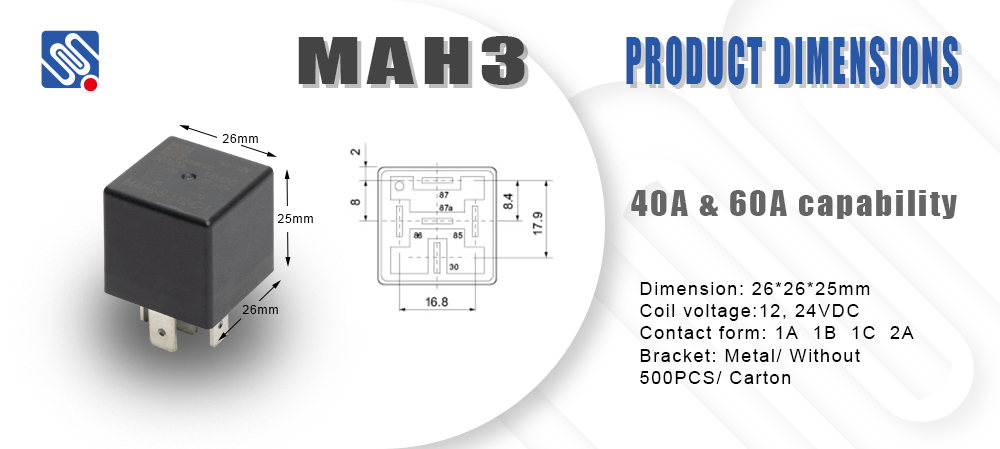
1. Understanding Common Relay Problems
Before diving into the troubleshooting process, it’s important to understand the most common relay problems that could occur:
Failure to Activate: The relay fails to switch on when it is supposed to.
Failure to Deactivate: The relay fails to turn off after activation.
Contact Damage: The contacts inside the relay become damaged, preventing proper circuit switching.
Burned or Worn-Out Coils: The coil, which is responsible for activating the relay, may burn out or become damaged.
Incorrect Relay Wiring: The relay may be wired incorrectly, preventing it from functioning properly.




 Chat Oline