water treatment system solenoid valve: essential component for efficient water flow control
Release time:2025-12-07 19:48:34
Water treatment systems play a crucial role in maintaining clean, safe, and usable water. Whether it’s for drinking, industrial processes, or wastewater treatment, these systems must operate efficiently to ensure optimal water quality. One of the critical components in such systems is the solenoid valve. A Water Treatment System Solenoid Valve is a type of electromagnetic valve that plays a vital role in controlling the flow of water within these systems.
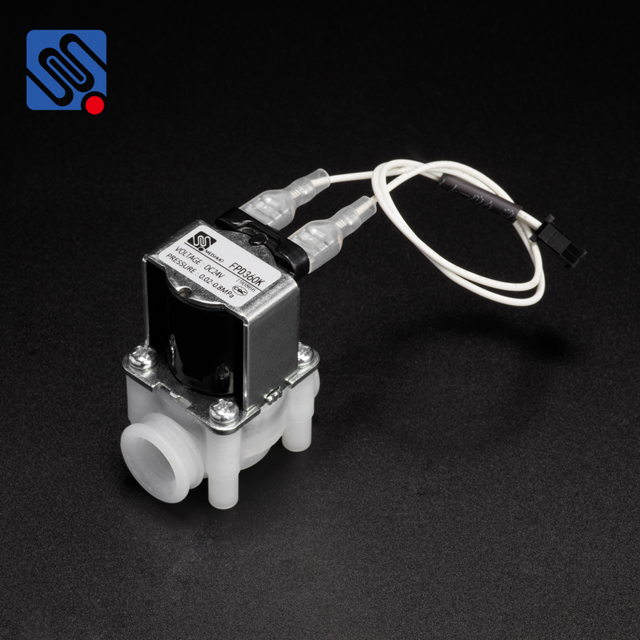
What is a Solenoid Valve? A solenoid valve is an electromechanical device that controls the flow of water or other fluids using an electromagnetic solenoid. When an electrical current passes through the solenoid, it creates a magnetic field that either opens or closes the valve, controlling the flow of the fluid. In the case of water treatment systems, solenoid valves are used to regulate the flow of water, ensuring that it follows the desired path through filters, treatment tanks, and distribution networks. How Does a Water Treatment System Solenoid Valve Work? In a water treatment system, the solenoid valve typically operates in conjunction with a controller and sensors to manage water flow. The valve is connected to an electrical circuit that enables it to open or close based on specific signals or conditions. For example, when a sensor detects that the water level in a tank is too low, the solenoid valve can open to allow more water into the system. Conversely, if the system detects an overflow, the solenoid valve will close to prevent excess water from entering.




 Chat Oline