relay operation guide: a comprehensive overview for efficient use and safety
Release time:2025-12-07 19:49:47
Relays are essential electrical components widely used in various applications, ranging from industrial control systems to everyday household appliances. They serve as electrical switches that allow one circuit to control another, making them indispensable for controlling power, signals, and data. Whether you are working with relays in automation, telecommunications, or any other field, understanding how to operate them correctly is crucial for both performance and safety. This relay operation guide will provide an overview of relay types, their applications, and important operational considerations to help you use these devices effectively.
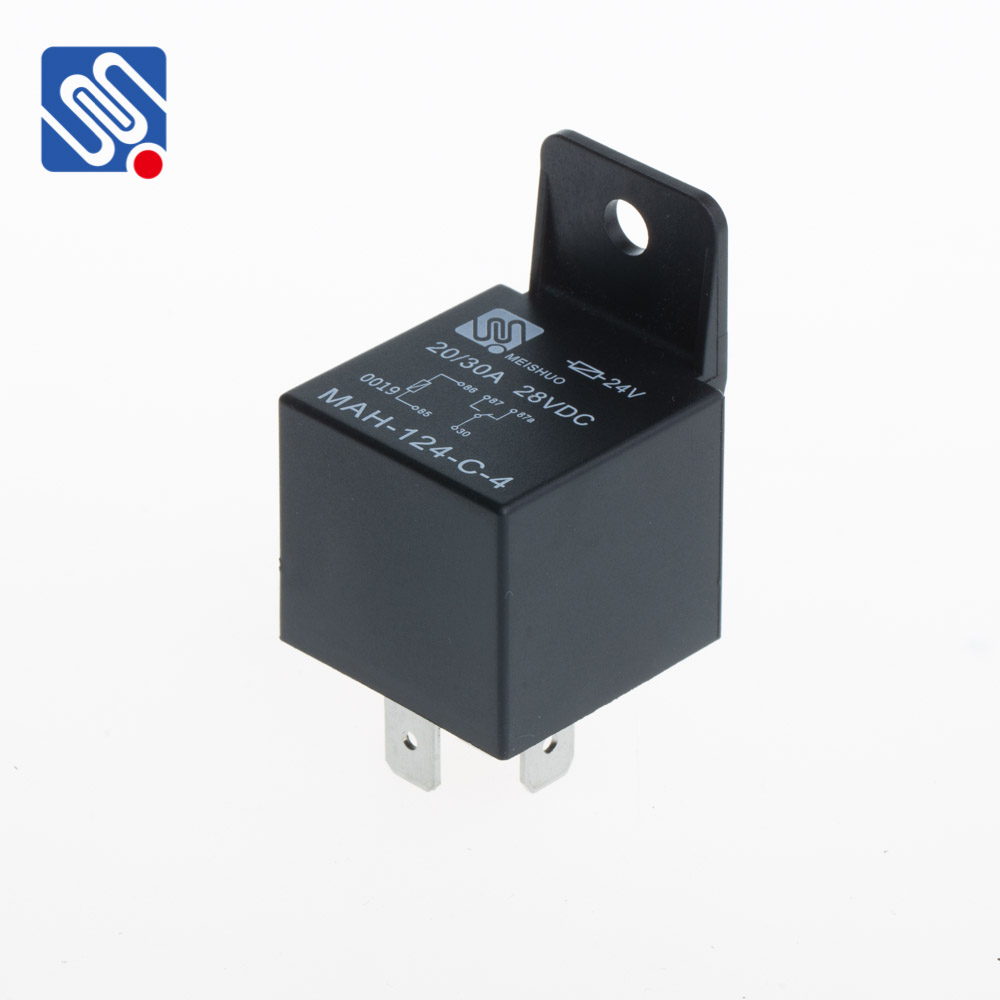
What is a Relay? A relay is an electrically operated switch that controls the connection between two or more circuits. It typically consists of an electromagnetic coil, a set of contacts, and an armature. When current flows through the coil, it generates a magnetic field that attracts the armature, causing the contacts to either open or close. This action enables the relay to control another circuit, allowing a small current to switch a larger one. Relays can switch both AC and DC circuits and are available in various configurations. Depending on the application, relays may come with different types of contacts such as Normally Open (NO), Normally Closed (NC), or a combination of both.




 Chat Oline