relay assembly: the backbone of efficient electrical control systems
Release time:2025-12-08 01:40:53
Relay assembly plays a crucial role in modern electrical systems, offering the necessary mechanism for controlling circuits and automating processes across various industries. The reliability and flexibility of relay assemblies make them indispensable in everything from automotive applications to industrial automation, household appliances, and more. In this article, we will explore the significance of relay assemblies, the process of their construction, and the applications that benefit from their use.
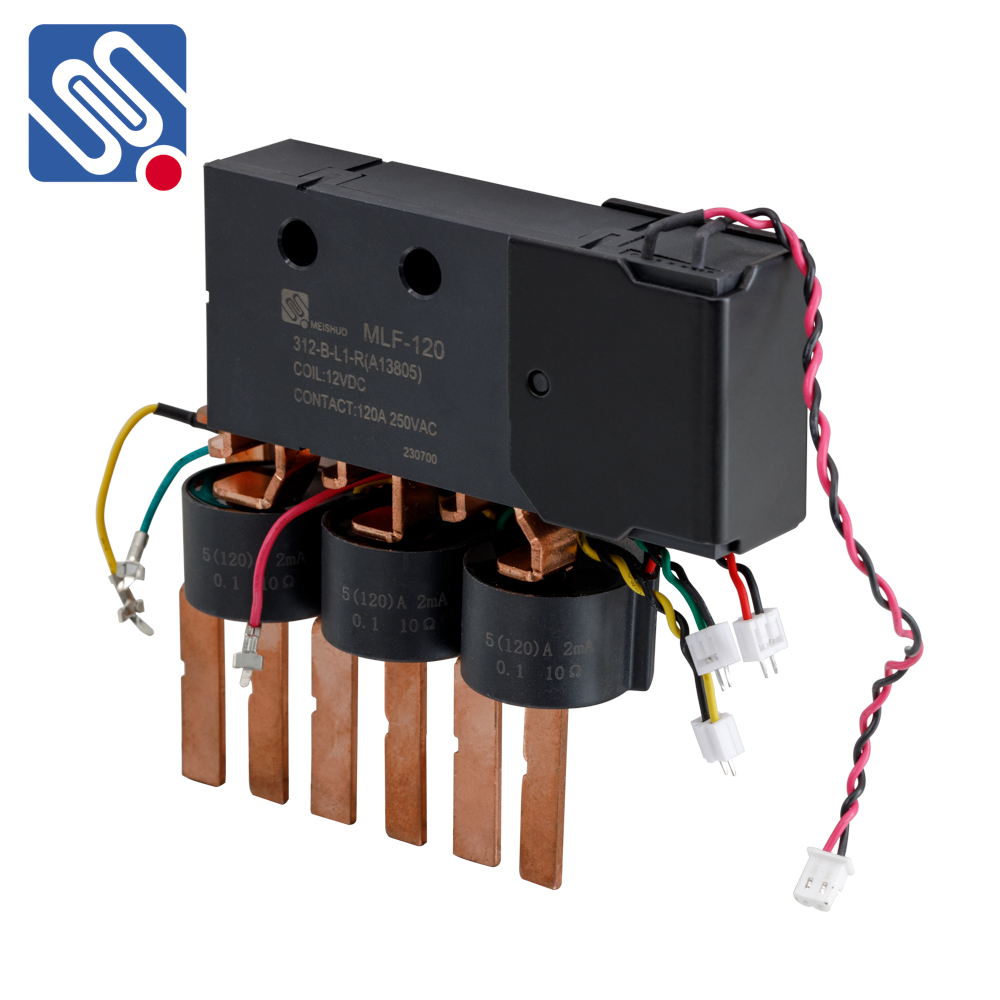
Understanding Relay Assemblies At its core, a relay is an electrically operated switch. It uses an electromagnet to mechanically operate a switch, opening or closing a circuit to control the flow of electricity. A relay assembly, therefore, refers to the process of assembling a relay with other components into a complete system that is functional within an electrical circuit. Relays can be simple or complex, depending on their intended application. They can control low-power circuits using high-power circuits, or vice versa, which is one of the key reasons they are so widely used in electrical engineering. The versatility of relay assemblies also stems from their ability to handle a range of voltage and current levels, making them adaptable for various tasks, from switching on a light to controlling heavy machinery.




 Chat Oline