relay operation guide: a comprehensive overview for effective relay management
Release time:2025-12-08 01:53:29
Relays are indispensable components in modern electrical systems, serving as automated switches that allow a low-power signal to control a high-power circuit. Whether you're working on industrial machinery, home automation systems, or electronic projects, understanding how relays operate is crucial for ensuring reliable and safe performance. This Relay Operation Guide aims to provide a detailed overview of how relays function, their types, and essential instructions for operation, installation, and maintenance.
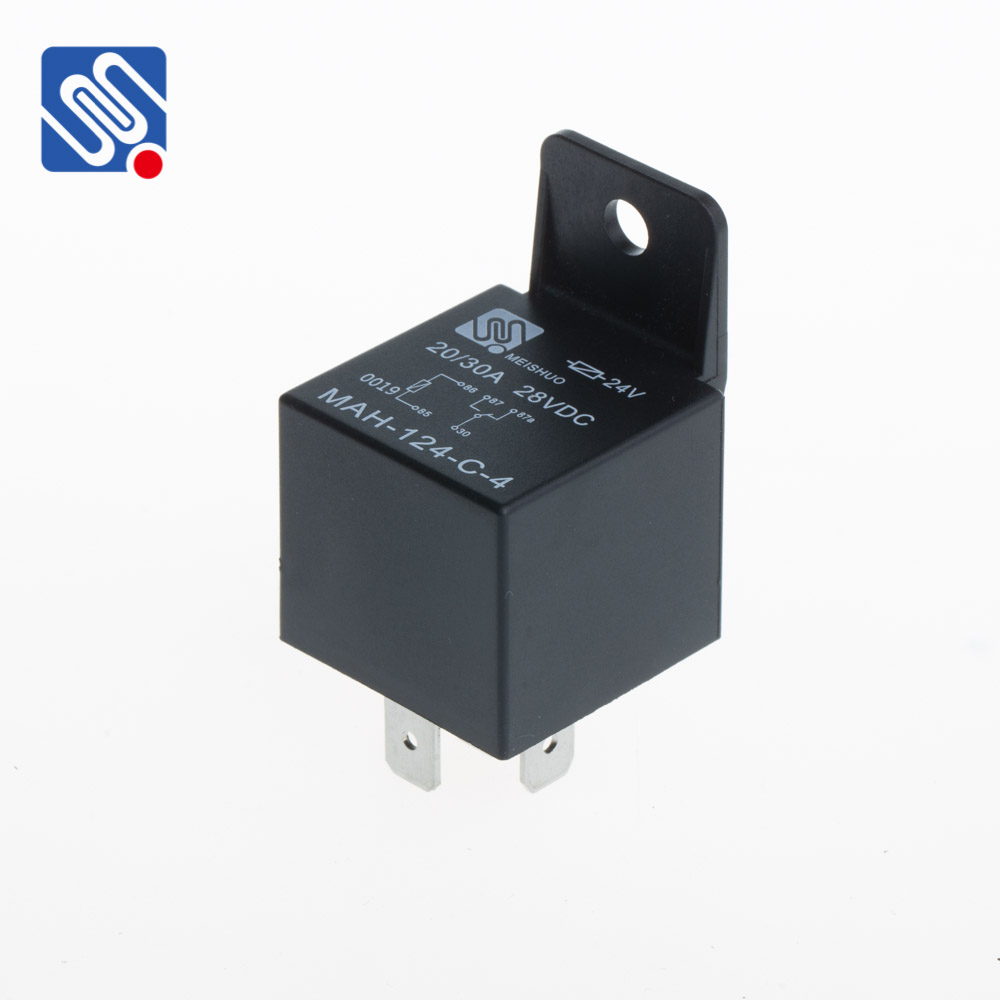
Understanding the Relay: What It Is and How It Works At its core, a relay is an electrically operated switch that uses an electromagnet to open or close contacts. When a low-voltage current flows through the coil of the relay, it generates a magnetic field that either opens or closes the contacts. This allows the relay to control the flow of higher-power electrical circuits with minimal energy input, making it an essential component in various applications, from controlling motors to triggering alarms. There are several types of relays, each designed for different uses: Electromechanical Relays (EMRs): These are the most common type of relays, using physical moving parts (an electromagnet and a spring-loaded switch) to open and close circuits.




 Chat Oline