understanding solid state relay (ssr): advantages and applications
Release time:2025-12-08 07:22:39
A Solid State Relay (SSR) is an electronic switching device that performs the same function as a traditional mechanical relay, but without the moving parts. It uses semiconductor components such as transistors, thyristors, or triacs to switch the load on and off. SSRs are known for their durability, fast switching speed, and ability to operate in harsh conditions. Unlike conventional relays, which rely on mechanical contacts, SSRs provide a more efficient, long-lasting, and reliable solution for various electrical control systems.
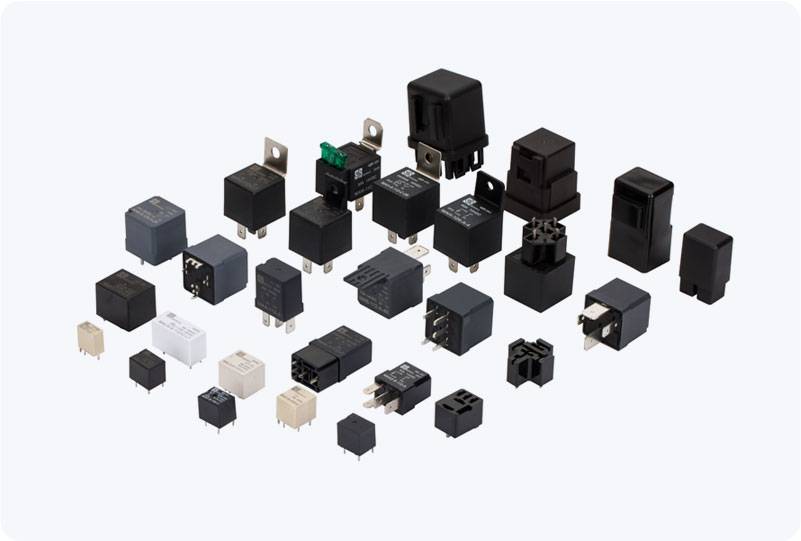
How Does a Solid State Relay Work? At its core, an SSR functions by using an input control signal to activate its internal semiconductor components. When a control signal (typically DC voltage or a small AC voltage) is applied to the input side of the SSR, it activates the internal components like optocouplers or light-emitting diodes (LEDs) that provide electrical isolation between the control and load circuits. Once activated, the SSR either allows or blocks current flow to the load side, depending on the design. This operation is similar to that of mechanical relays, but there are no physical moving parts involved. Therefore, SSRs have a much faster response time, can operate at higher frequencies, and are generally more reliable over time.




 Chat Oline