understanding the importance and functionality of watering system solenoid valve
Release time:2025-12-08 09:03:02
A Watering System Solenoid Valve is an essential component of modern irrigation systems, ensuring efficient water management for both residential gardens and large-scale agricultural applications. These valves, controlled by electrical signals, regulate the flow of water in irrigation systems, providing users with precise control over their water usage. By using solenoid technology, these valves not only automate watering tasks but also enhance the sustainability of irrigation practices. In this article, we will explore the design, operation, applications, and benefits of Watering System Solenoid Valves.
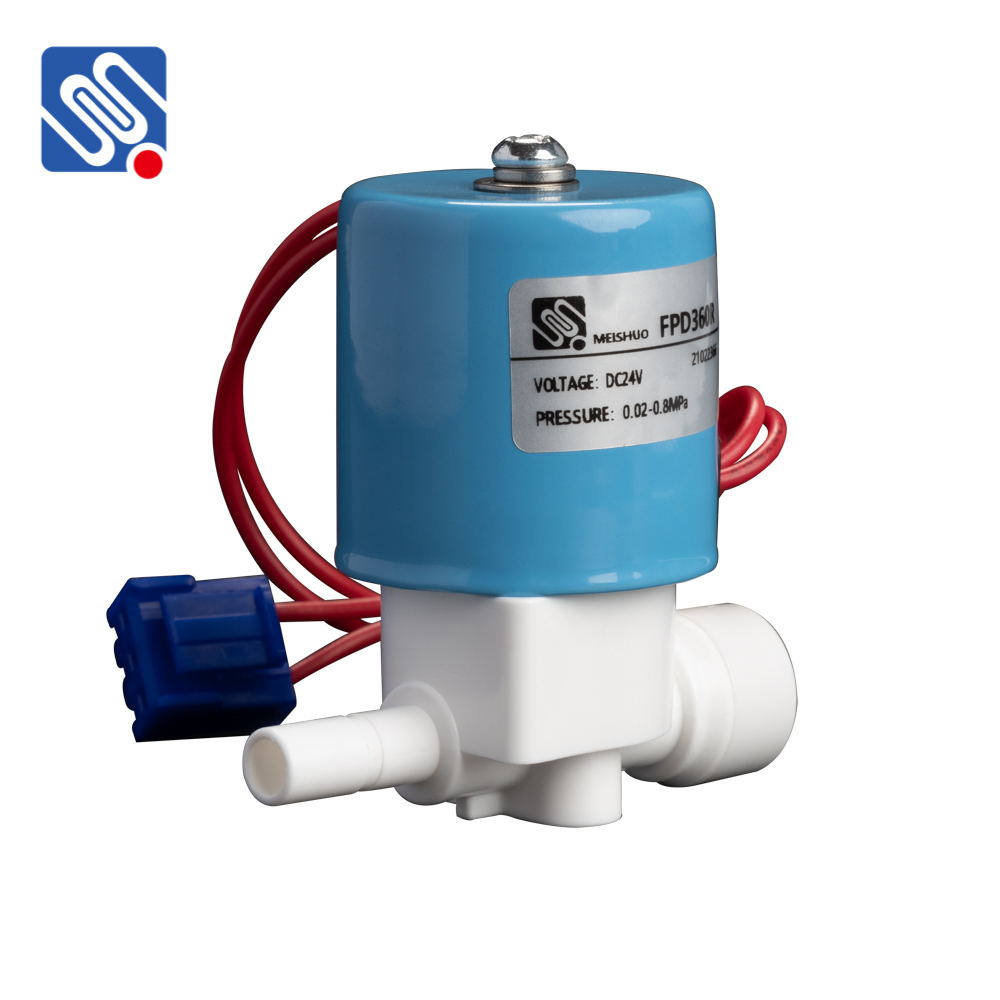
What is a Watering System Solenoid Valve? A Watering System Solenoid Valve is an electrically operated valve designed to control the flow of water in an irrigation system. The valve uses a solenoid (an electromagnet) to open and close the valve, depending on whether an electrical current is applied. The solenoid’s magnetic field causes a plunger or diaphragm to move, which in turn opens or closes the valve, allowing or blocking the flow of water through the system. Typically, these valves are used in automated irrigation systems, such as sprinkler systems or drip irrigation, to ensure water is distributed only when necessary. They are available in a variety of sizes and materials to suit different types of systems, from small home gardens to large-scale agricultural setups.




 Chat Oline