understanding plc control relay: a key component in industrial automation
Release time:2025-12-08 16:18:15
In today’s industrial landscape, automation has become a crucial element in ensuring efficiency, safety, and precision in manufacturing and production systems. One of the core components in automation systems is the PLC Control Relay, which plays a pivotal role in controlling electrical circuits and machinery with the use of a Programmable Logic Controller (PLC). Understanding the PLC Control Relay and its functions can offer insights into the complexities and advantages of modern industrial automation systems.
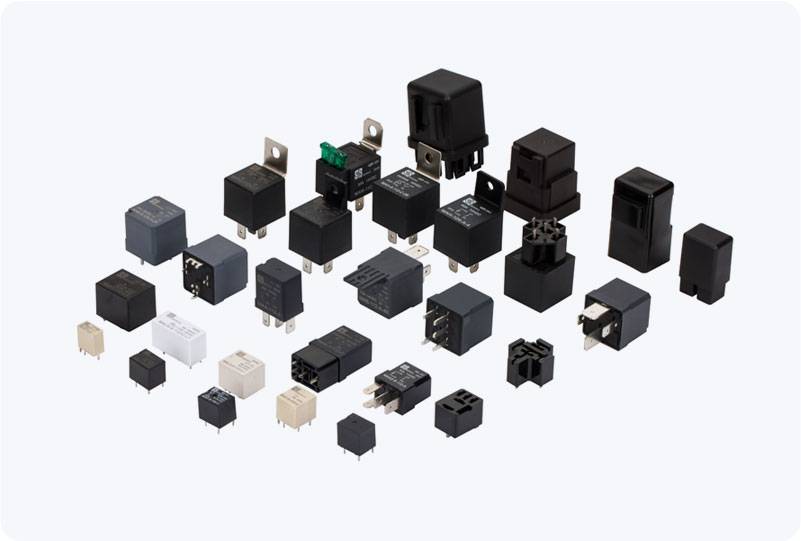
What is a PLC Control Relay? A PLC Control Relay is an electromechanical device that utilizes a PLC to control the switching of electrical circuits. The PLC serves as the brain of the system, processing inputs and executing logic programs, while the relay acts as the switch that controls the operation of external devices like motors, lights, and other machinery. The relay is activated by electrical signals from the PLC, enabling it to open or close electrical contacts and initiate or stop the flow of electricity in a circuit. In essence, the PLC control relay provides a way to automate and remotely control machinery, making industrial processes more streamlined and reducing the need for human intervention.




 Chat Oline