high-power relay: essential components for high-current applications
Release time:2025-12-08 16:39:03
In modern electrical systems, controlling and switching high currents is crucial for the safe and efficient operation of various industrial, automotive, and energy-related applications. This is where the High-Power Relay plays a pivotal role. Unlike conventional relays designed for low-power applications, high-power relays are specifically engineered to handle large currents and high voltages, making them indispensable in demanding environments. This article will explore the significance, working principles, types, and applications of high-power relays.
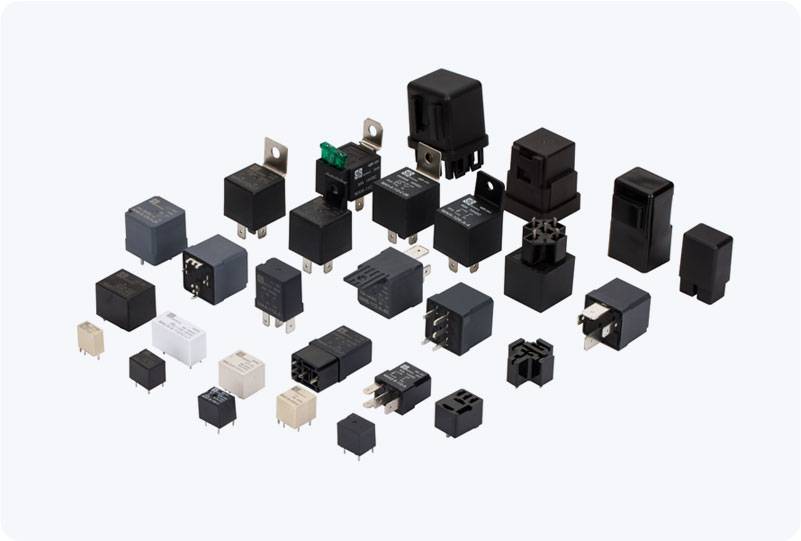
What is a High-Power Relay? A high-power relay is a type of electromechanical or solid-state switch used to control high-voltage, high-current loads. These relays are crucial in systems that require switching of large amounts of electrical power while ensuring both reliability and safety. A high-power relay typically features contacts that can handle currents ranging from tens of amperes to hundreds of amperes, and it operates at voltages of 24V, 48V, 110V, 220V, or even higher, depending on the application. They are specifically designed to withstand the electrical stresses associated with high power switching.




 Chat Oline