understanding relay isolation: ensuring electrical safety and efficiency
Release time:2025-12-09 08:06:07
Relay isolation is an essential concept in electrical and electronic systems, offering crucial protection against electrical faults and interference. It is a technique used to separate different parts of a circuit, ensuring that the control circuit (low voltage) is electrically isolated from the power circuit (high voltage). This separation helps safeguard sensitive equipment, maintain signal integrity, and improve the overall safety and reliability of electrical systems. In this article, we will explore the importance, working principle, applications, and advantages of relay isolation in various industries.
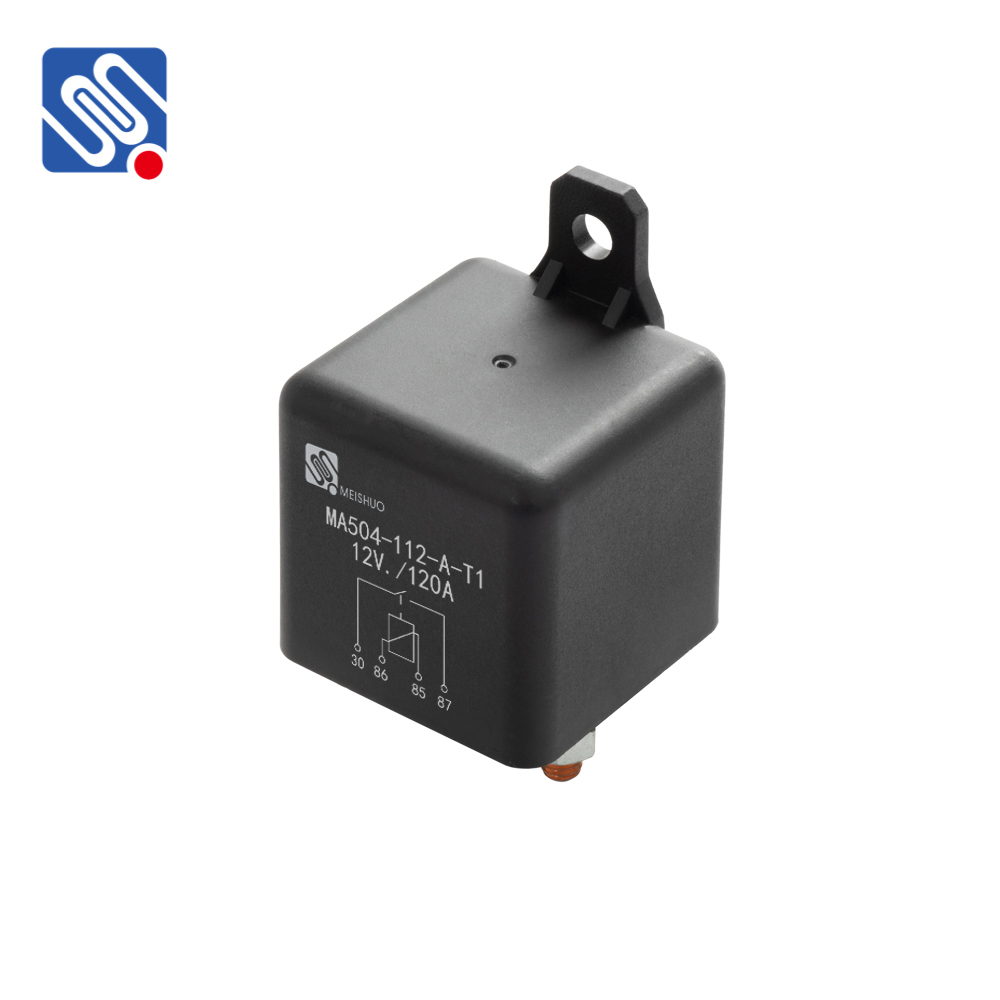
What is Relay Isolation? Relay isolation refers to the process of electrically separating control and power circuits using a relay. A relay is an electrically operated switch that uses a low-voltage signal to control a high-voltage circuit. The key feature of a relay is its ability to isolate the control side (low voltage) from the power side (high voltage), ensuring that any faults or high-voltage surges do not affect the sensitive control components. The isolation is achieved through the relay's design, where the control coil and the contacts (which control the high-voltage circuit) are physically separated, typically by a set of contacts and a magnetic field. This design allows a relay to act as a bridge between two circuits while maintaining a secure and effective barrier against electrical faults.




 Chat Oline