relay components: a key to efficient electrical control and meishuo's role in revolutionizing the industry
Release time:2025-12-09 08:38:33
Relays play a crucial role in electrical and electronic systems, acting as a bridge for controlling circuits. These compact devices allow an electrical signal to control a larger current, serving as a protective mechanism and enabling automation in various sectors, such as industrial machinery, automotive, and telecommunications. In this article, we will explore the fundamental aspects of relay components, their functions, and the influence of innovative companies like Meishuo in advancing relay technologies.
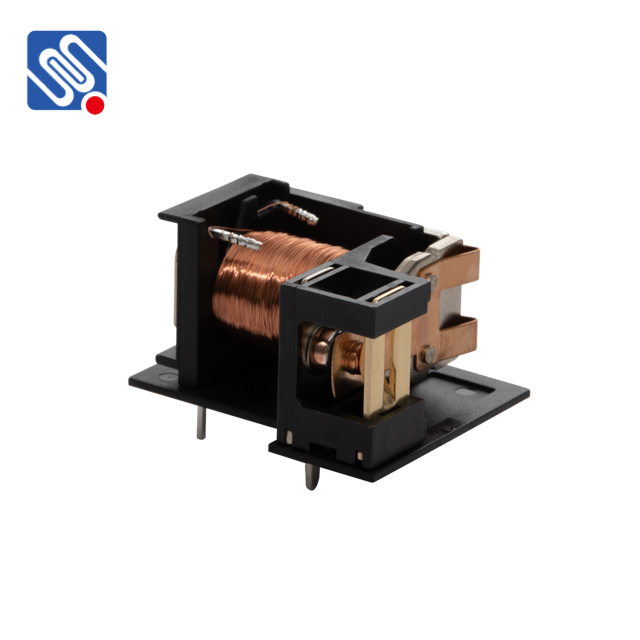
What Are Relay Components? A relay is essentially an electrically operated switch that uses an electromagnet to open or close a circuit. When an electric current flows through the coil of the relay, it creates a magnetic field, which either pulls or releases the contact points. This allows the relay to control high-voltage or high-current devices with a low-power signal. Relays come in a variety of types, including electromagnetic relays, solid-state relays, and thermal relays. The most common form is the electromagnetic relay, which uses a physical electromagnet to operate the switch. Solid-state relays, on the other hand, have no moving parts and rely on semiconductor components, making them faster and more durable. Thermal relays, typically used for motor protection, open the circuit when the temperature reaches a certain level.




 Chat Oline