relay assembly: the key to efficient and reliable circuit control
Release time:2025-12-09 09:19:38
Relay assembly plays a critical role in the world of electrical engineering, automating processes and controlling circuits. In simple terms, a relay is an electrical switch that opens or closes a circuit when an external signal is applied. The assembly of these devices, particularly the intricate process involved in putting together the various components, is crucial for ensuring the proper functioning of these switches in a wide array of applications, from automotive systems to industrial machinery and telecommunications.
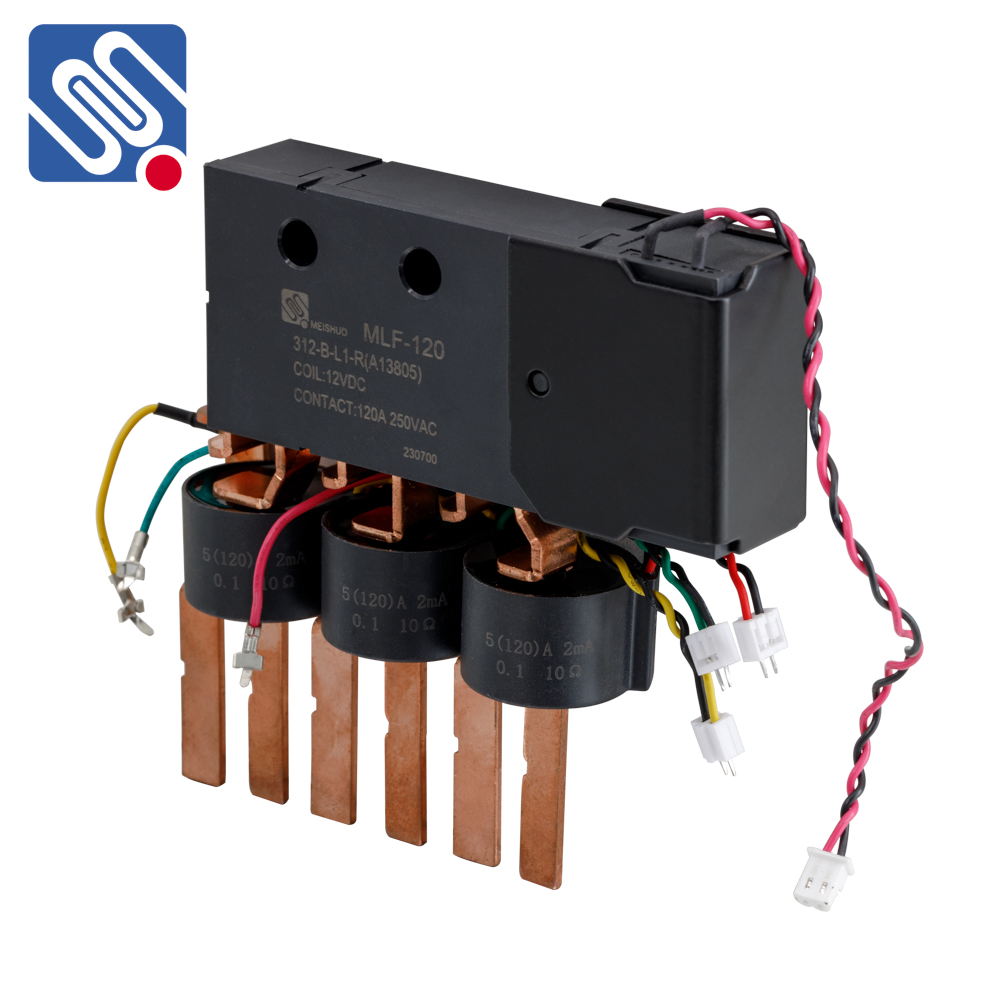
Understanding Relay Assembly A relay consists of several key components: the coil, contacts, armature, spring, and housing. The assembly process involves the careful integration of these components to form a fully functional relay. At its core, the relay operates using an electromagnetic field generated by the coil. When a current passes through the coil, it generates a magnetic field that attracts or repels the armature, causing the contacts to either open or close, thus controlling the electrical circuit. Relay assembly is not simply about putting these parts together—it involves precision, attention to detail, and adherence to safety standards. The accuracy of the assembly ensures that the relay performs efficiently and reliably, which is essential for avoiding failures in the systems they support.




 Chat Oline