car relay types: understanding the different types of automotive relays
Release time:2025-12-09 10:49:06
Automotive relays are essential components in modern vehicles, serving as electrical switches that control the flow of electricity to various systems within a car. They allow low-power circuits to control high-power devices, providing an efficient and safe method of managing the numerous electrical components in today’s cars. In this article, we will delve into the different Car Relay Types, their functions, and their specific applications in automotive systems.
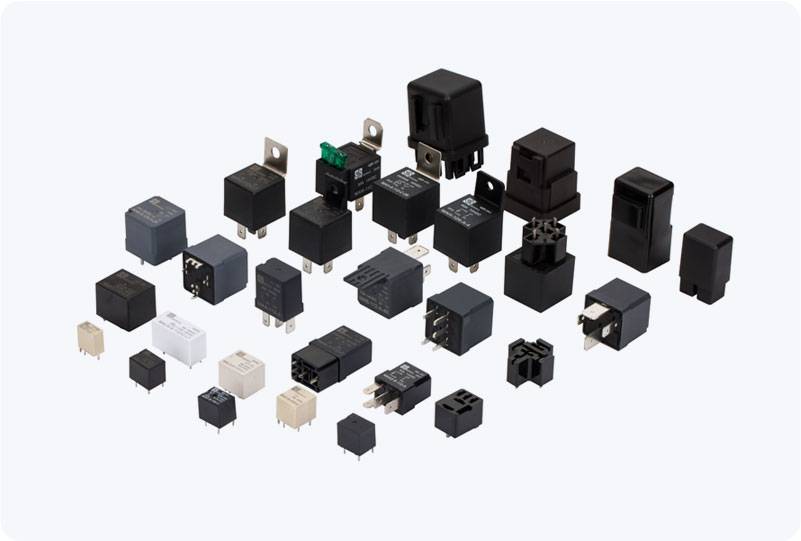
What is a Car Relay? A car relay is an electromagnetic switch that opens or closes a circuit based on electrical signals. By controlling high-power circuits with low-power input, relays help manage essential components such as lights, starter motors, cooling fans, and more. These relays are typically small, but they have a huge impact on the performance and safety of a vehicle’s electrical system. Common Types of Car Relays Normally Open Relay (NO) The most common type of relay found in automotive applications is the Normally Open (NO) relay. In its default state, the contacts inside the relay remain open, meaning no electrical current flows through the circuit. When the relay is energized (usually by a control circuit), the contacts close, allowing current to pass through. This type of relay is ideal for controlling devices that only need to be activated under specific conditions, such as headlights, fuel pumps, and horns.




 Chat Oline